Trump signs two new executive orders, U.S. Air Force v. Prutehi Guahan heads to Supreme Court
BY KATIE AIZON
Journal Staff
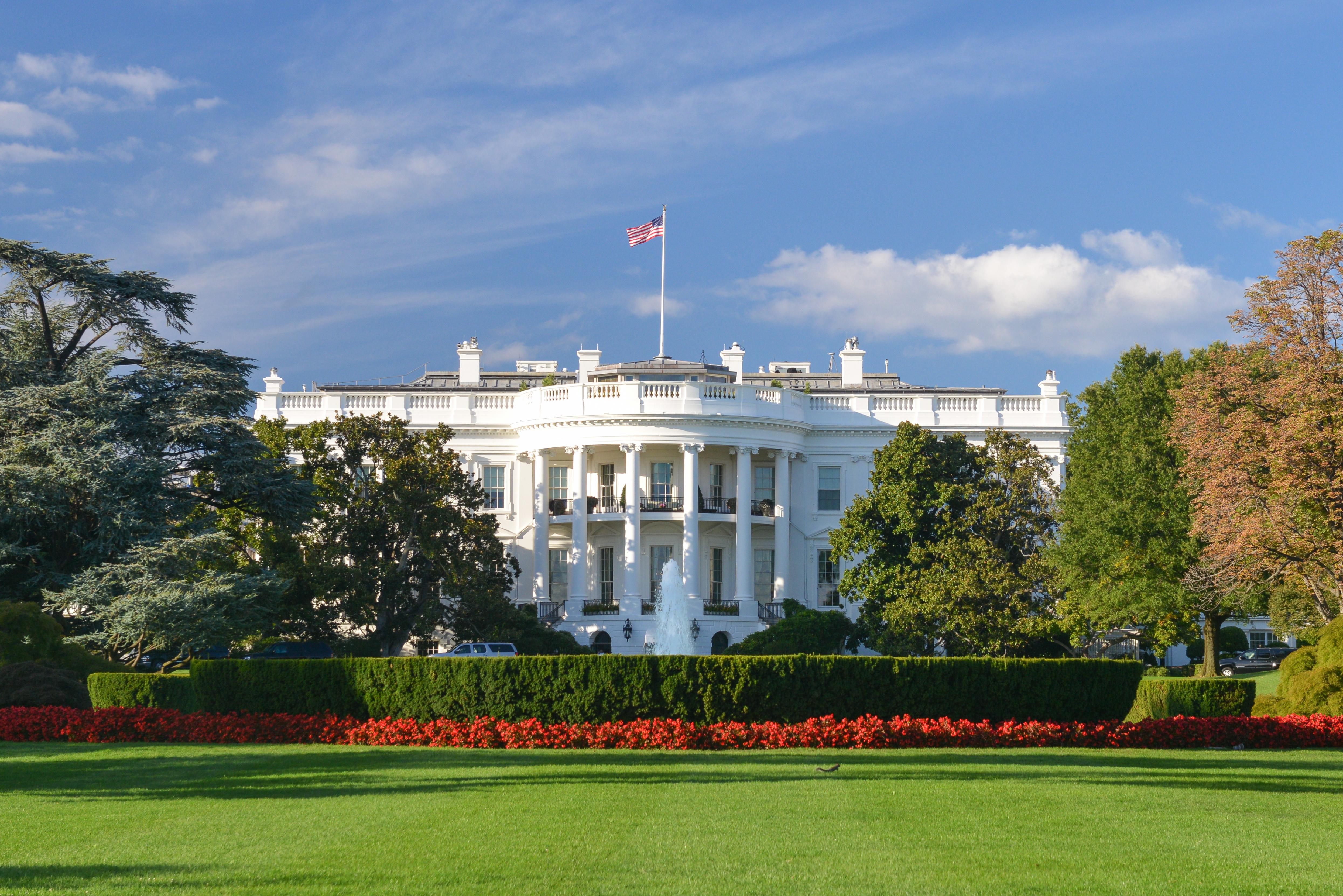
President Donald Trump signed two executive orders to end birth tourism and limit birthright citizenship on Aug. 6.
Trump’s executive orders end birthright tourism by requiring federal agencies to dismantle birth tourism networks and limits birthright citizenship by prohibiting children of parents who are part of foreign terrorist groups, children of foreign government employees, and children of parents’ attempting to purchase or gain citizenship fraudulently from claiming U.S. citizenship.
Crucially, section 2-D of executive order “Continuing to Protect the Meaning and Value of American Citizenship” proposes prohibiting citizenship in instances where “the person is born in a territory or territorial waters of the United States where citizenship is not conferred by Federal statute.”
Neil Weare, co-founder of Right to Democracy
According to Neil Weare, co-founder of Right to Democracy, a self-determination advocacy organization for U.S. territories, the executive order is concerning as it directly segregates citizens born in the mainland from their territorial counterparts and is unconstitutional, preventing citizenship rights in U.S. territories.
“This is a clear escalation. What began as a legal theory advanced by successive administrations — claiming that the Constitution’s guarantee of birthright citizenship does not apply in U.S. territories — is now being invoked as a roadmap for Congress to limit the right to citizenship in these communities,” Weare said.
Right to Democracy said the legislation, if passed, would be especially concerning for the Northern Mariana Islands as the established covenant agreement, supporting rights to citizenship, cannot be changed without mutual consent from both parties.
The new executive orders follow the U.S. Supreme Court’s decision to oppose Trump v. Barbara in which Trump’s “Protecting the Meaning and Value of American Citizenship,” was struck down in a 6-3 vote on June 30.
The previous order would have amended federal statuses recognizing individuals born in the territories, excluding American Samoa where birthright citizenship is unapplicable, as U.S. citizens.
Right to Democracy and its attorneys previously filed an amicus brief in response to Trump v. Barbara on behalf of 21 current and former elected judges from each territory, arguing Congress and the president could not ignore the Citizenship Clause of the 14th Amendment and deny citizenship to people born in the territories.
In other news, U.S. Air Force v. Prutehi Guahan heads to the U.S. Supreme Court to be heard by the justices on Oct. 7.
Representatives, 18 community-based environmental and cultural organizations across U.S. territories, filed an amicus brief in support of a legal challenge from Prutehi Guahan and EarthJustice.
The Supreme Court file addresses Prutehi Guahan’s case regarding the U.S. Air Force’s renewal of its Open Burning and Open Detonation permit at Tarague Beach at Andersen Air Force Base, sitting right above the Northern Guam Lens Aquifer.
According to the amicus brief, the U.S. Air Force must be held accountable to follow federal environmental and community engagement standards when making detonations of dangerous explosives negatively affecting ecological and cultural areas.
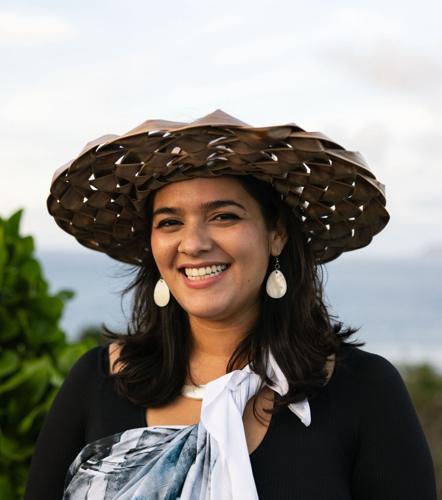
Maria Hernandez, co-director of Micronesia Climate Change Alliance
In a release, Maria Hernandez, co-director of Micronesia Climate Change Alliance, who helped to organize the brief, urged stronger environmental regulations and public accountability to protect Guam’s sole aquifer and primary water source. “These historical toxins and ongoing threats to water and lands impose lasting burdens on the CHamoru people while decisions about military land use and cleanup remain largely outside Guam’s democratic control,” she said. mbj
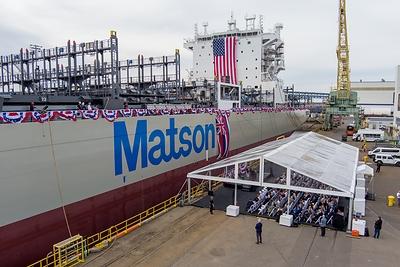
Matson Inc. and Hanwha Philly Shipyard Inc. held a christening ceremony for the Aloha Class Vessel Makua, set to serve Guam in the first quarter of 2027, at the Hanwha Philly Shipyard, Philadelphia on Oct. 12.
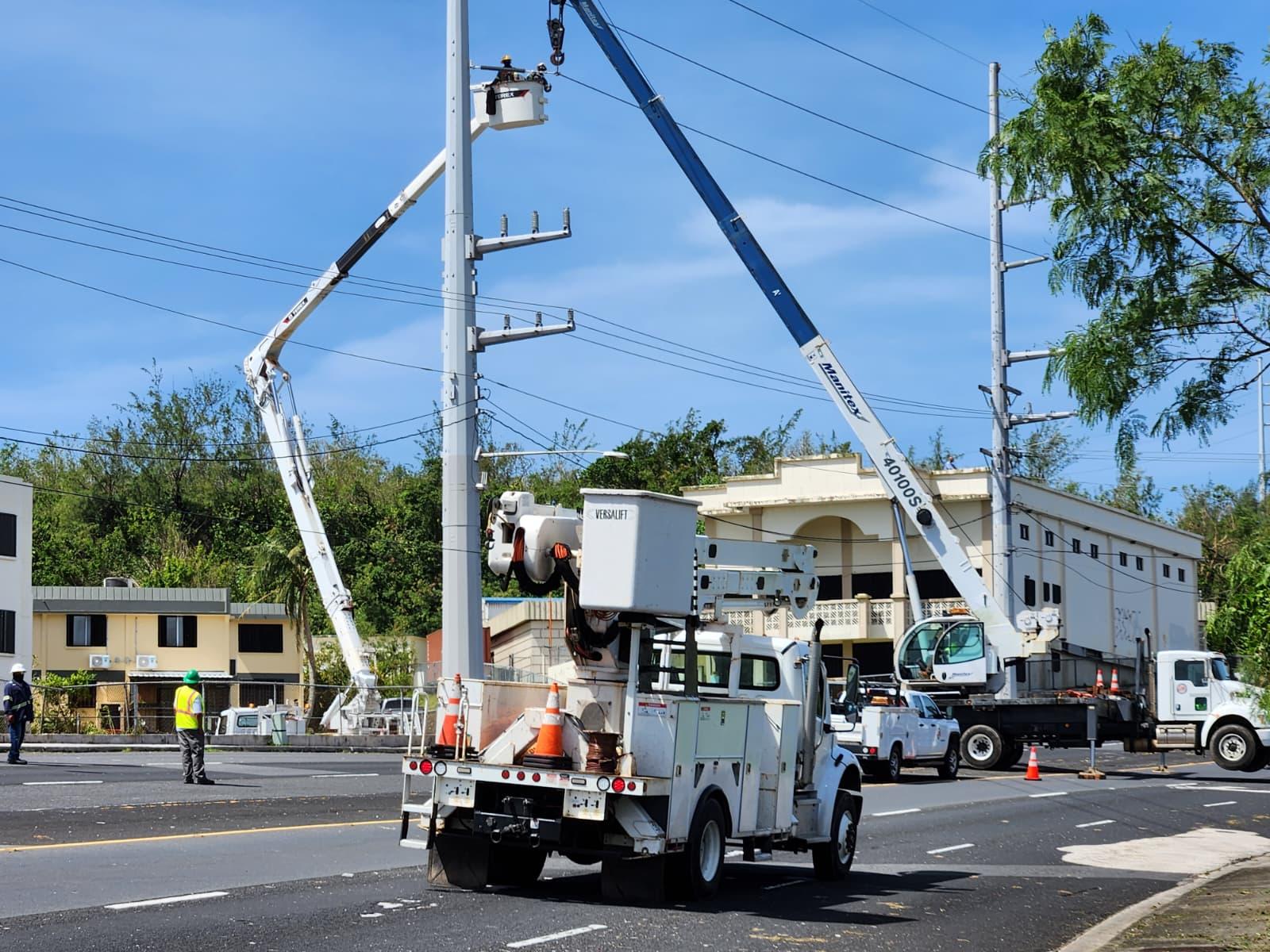
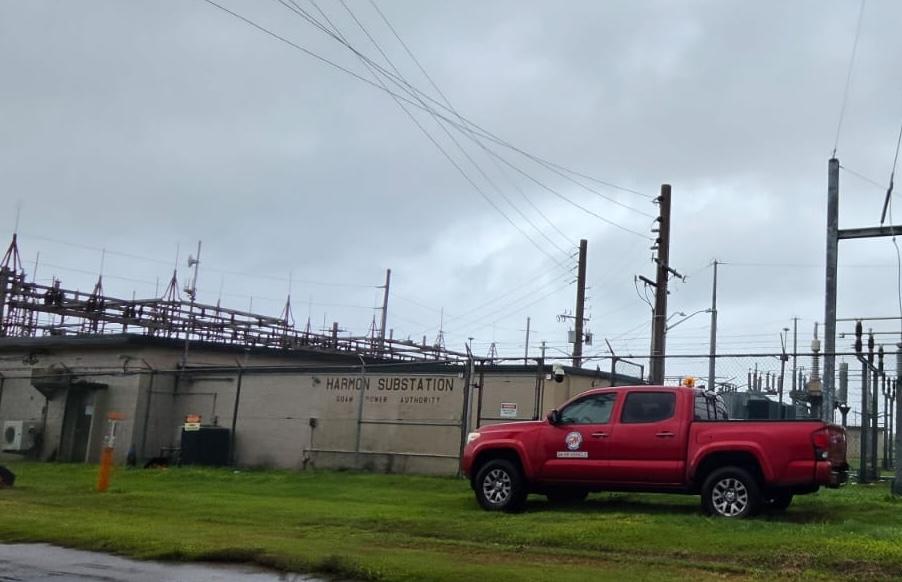
Essential infrastructure, commercial fuel stations, and private health facilities across Guam are swiftly reopening following the passage of Super Typhoon Champi, with key transportation hubs and utility providers moving into full recovery status.
Just hours after Super Typhoon Champi passed south of Guam, President Donald Trump approved Gov. Lourdes A. Leon Guerrero's request for an emergency declaration, which authorizes the Department of Homeland Security's Federal Emergency Management Agency to coordinate emergency assistance.
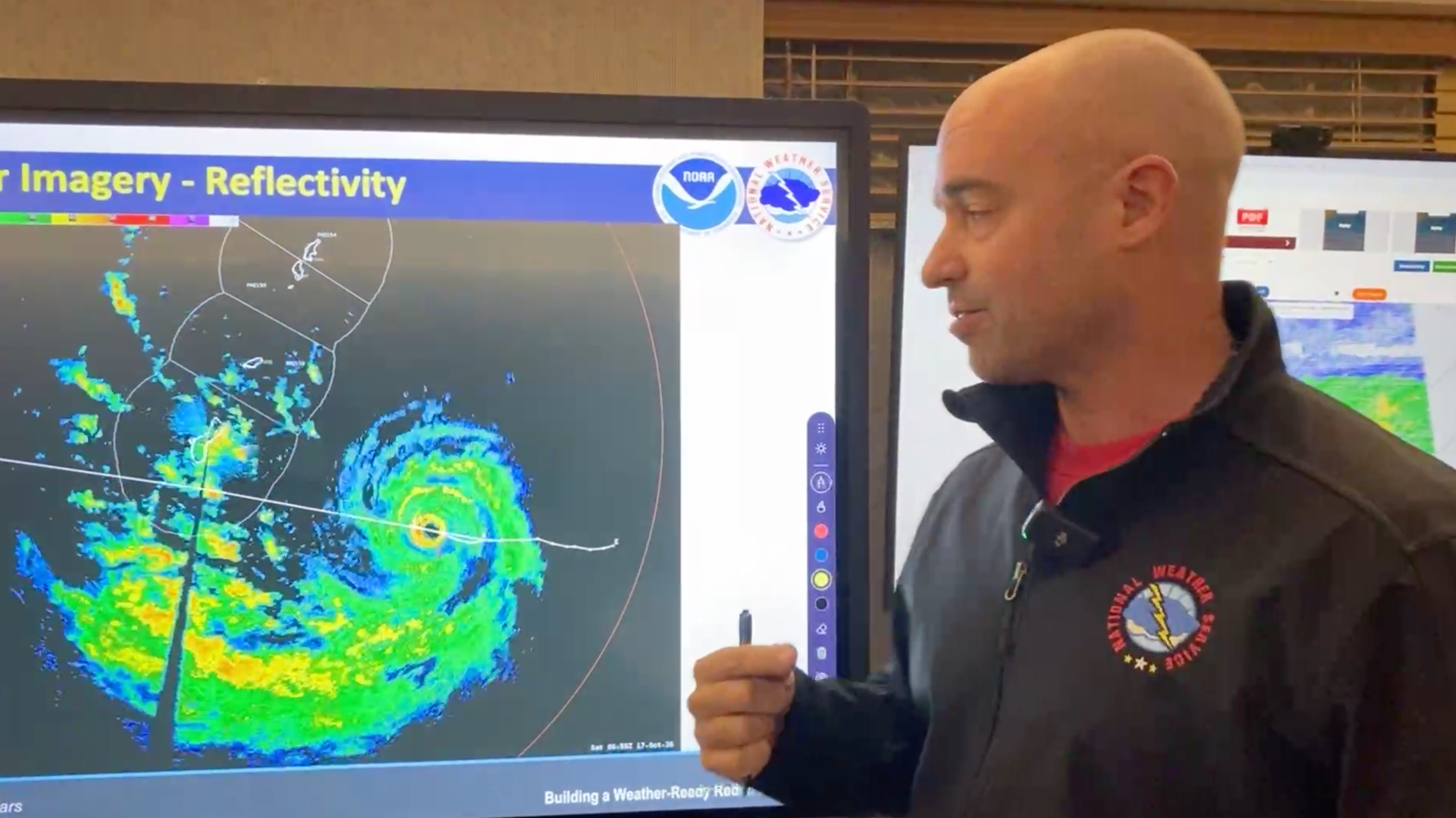
Typhoon Champi is now expected to be a Category 4 storm, with winds of 130 to 156 mph and gusts of more than 180 mph, when it makes its closest approach to Guam.