

















Since 2023, residents of and travelers to Palau have had to learn how to do without a nicotine fix via e-cigarettes. The legal importation of e-cigarettes, or vapes, is now banned, and customs officers at the airport have been confiscating these products for about three years.
Palau tried the product-by-product approach. In 2023, President Surangel S. Whipps Jr. signed legislation prohibiting the importation, distribution, sale, possession and use of electronic cigarettes — one of the most sweeping such bans in the Pacific. The 2023 adult survey recorded e-cigarette use at just 1.7%, down sharply following the ban.
On June 10, Palau formally requested the United Nations to initiate a scientific review of nicotine, the addictive molecule found in cigarettes, vapes and oral pouches. President Surangel S. Whipps Jr. signed a letter to U.N. Secretary-General António Guterres, joined by Sen. Dr. Steve Kuartei, Del. Francesca Otong, Vice President and Health Minister Raynold Oilouch, and first lady Valerie Whipps at a press conference in Koror.
Whipps said the request was “75 years overdue.”
Kuartei, speaking as a physician who has treated many cancer patients, agreed, saying he did not understand why it took so long but was glad the question was finally being asked.
First lady Whipps, who was also a driving force behind the 2023 law with the support of Mechesil Belau, said policies cannot keep up with the industry’s ever-evolving products.
“Prohibiting one product at a time is not enough. It is the molecule we must address,” she said, making note of the process that this letter would start.
Those products have changed rapidly. Nicotine can now be isolated, synthesized and delivered through thousands of devices with little or no tobacco content. Disposable vapes, nicotine pouches marketed as “tobacco-free” and synthetic nicotine not derived from the tobacco plant have transformed how quickly and how much nicotine reaches users, particularly young people.
The first lady added: "Palau did not arrive at this decision lightly, we studied it, we sought scientific expertise … and we concluded this is the most meaningful step we can take … not only for Palau but for every child in every country.”

A January 2026 report by the CDC Foundation and Truth Initiative found that total nicotine in U.S. e-cigarette sales has surged in recent years, driven largely by high-capacity disposable devices. Public health analysts say that has made nicotine cheaper and easier to consume in large doses, especially for teens.
That escalation, experts say, is not accidental. In a 2025 information sheet, the World Health Organization concluded that tobacco and nicotine products are deliberately engineered to attract new users and retain existing ones, from cartoon-style packaging and devices disguised as everyday objects to customizable e-cigarettes that allow users to manipulate their own nicotine dose.
Palau’s request activates Article 2 of the 1971 Convention on Psychotropic Substances — a mechanism that has governed international drug control for decades but has never been applied to nicotine. If the process runs its course, the WHO Expert Committee on Drug Dependence could review nicotine in 2027, with a vote by the U.N. Commission on Narcotic Drugs as early as March 2028.
Tobacco and nicotine products kill millions of people every year, and WHO warns that without decisive action, the death toll this century could reach into the hundreds of millions, most of them in low- and middle-income countries — a category that includes much of the Pacific.
Palau’s decision to lead the effort carries particular weight across the U.S.-affiliated Pacific islands, where noncommunicable diseases linked to tobacco use are among the leading causes of death and where health systems carry a burden that far outpaces the resources available to address it.
Adult health data in Palau paint a stark picture, with smoking, diabetes and hypertension all higher than comparable U.S. rates. Nearly half of adults rate their health as fair or poor.
Guam offers a nearby example of how traditional tobacco-control tools can work. In 2010, Guam raised its cigarette tax by $2 per pack and directed part of the revenue to health programs, including the Guam Cancer Registry. A peer-reviewed analysis later reported that the increase was followed by declines in smoking prevalence over time, particularly among younger people.
Palau’s leaders argue that even those gains are at risk in a market where nicotine is no longer tied to a single product like cigarettes. The U.S. surgeon general concluded as far back as 1988 that the biological processes driving nicotine addiction are comparable to those underlying heroin and cocaine dependence. Recent neuroscience and public health reviews have reinforced that finding, concluding that nicotine is harmful to developing brains and can disrupt the formation of circuits involved in attention, learning and self-control.
Nicotine itself has never been reviewed for scheduling under international drug control law. Every time one product is restricted, a new format emerges, formulated to fall just outside existing rules.
Officials in Palau stress that their initiative is not about criminalizing individual users. International drug control operates at the level of manufacturers and distributors and includes provisions for exempting medically approved products such as nicotine patches and gums.
Oilouch, speaking at the press conference, framed the stakes in everyday terms.
“The cost I want to speak to is not only the cost in money,” he said. “It is the father who cannot be present for his children because he is managing a chronic illness. The mother whose final years are spent not in strength, but in decline.”
Palau’s government is now calling on other nations to submit their own notifications to the U.N., amplifying the pressure for a formal review. Palau ranked second out of 100 countries in the 2025 Tobacco Industry Interference Index, a measure of how well governments protect health policy from industry lobbying — a credential officials say gives added credibility to the initiative internationally.
Palau becomes first nation to push for global nicotine review at the UN
Palau becomes first nation to push for global nicotine review at the UN
- Date Posted: Jun 15, 2026
- News: Guam, Palau
-
Share this News
Palau becomes first nation to push for global nicotine review at the UN
Recommended Articles...
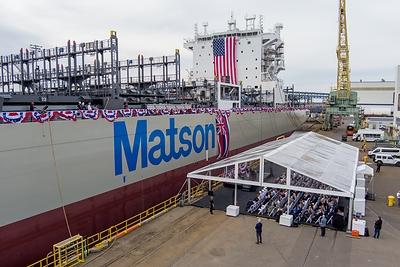
Matson newest Aloha Class Vessel Makua to service Guam in early 2027
Matson Inc. and Hanwha Philly Shipyard Inc. held a christening ceremony for the Aloha Class Vessel Makua, set to serve Guam in the first quarter of 2027, at the Hanwha Philly Shipyard, Philadelphia on Oct. 12.
Read More 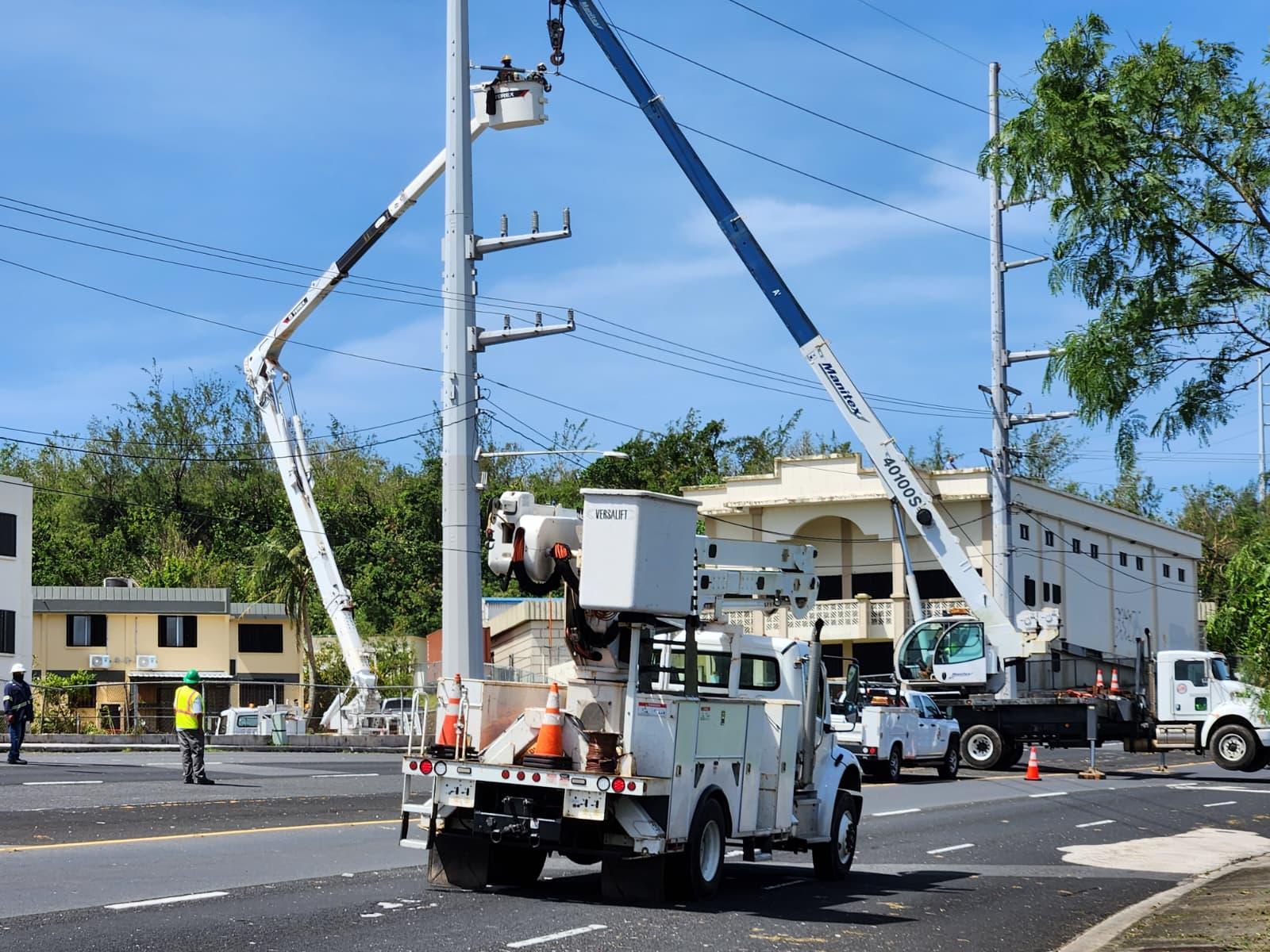
Guam infrastructure, utilities and businesses reopen as post-typhoon Champi recovery begins
Essential infrastructure, commercial fuel stations, and private health facilities across Guam are swiftly reopening following the passage of Super Typhoon Champi, with key transportation hubs and utility providers moving into full recovery status.
Read More 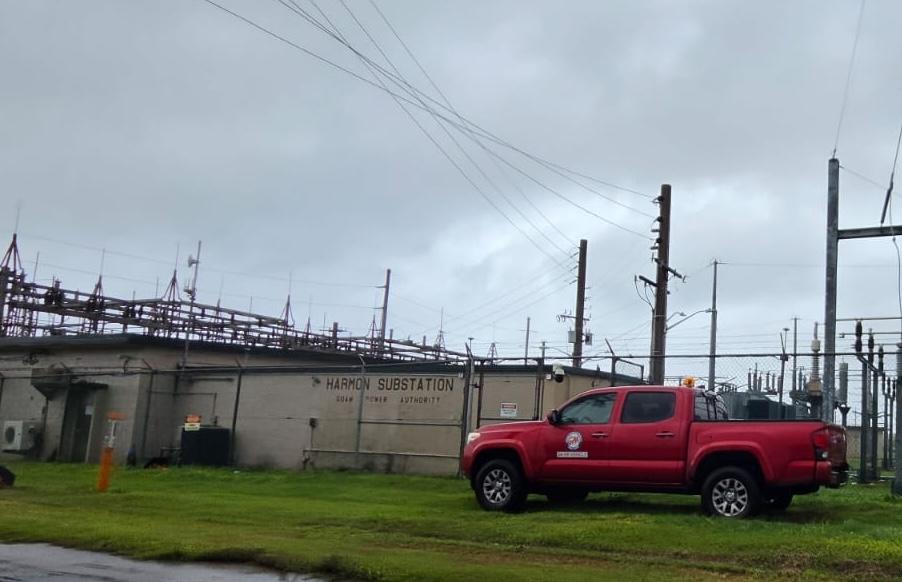
Trump approves emergency declaration as Champi cuts power, cancels flights on Guam
Just hours after Super Typhoon Champi passed south of Guam, President Donald Trump approved Gov. Lourdes A. Leon Guerrero's request for an emergency declaration, which authorizes the Department of Homeland Security's Federal Emergency Management Agency to coordinate emergency assistance.
Read More 
‘Guam will take the hit’: Champi strengthens to Category 4 typhoon
Typhoon Champi is now expected to be a Category 4 storm, with winds of 130 to 156 mph and gusts of more than 180 mph, when it makes its closest approach to Guam.
Read More