

















BY DANIEL M. PEREZ
Journal Staff
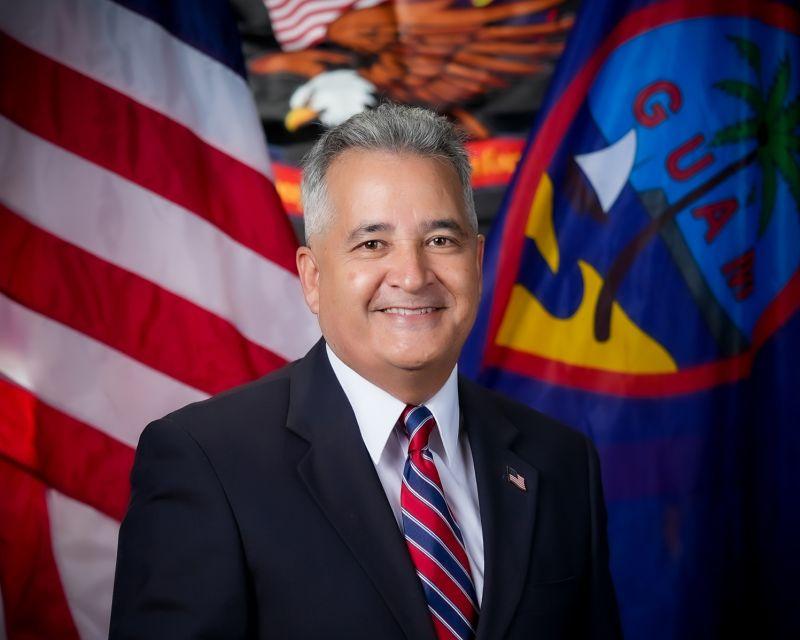
In a major shift toward criminal enforcement to address island blight and environmental hazards, the Office of the Attorney General of Guam is launching a new initiative targeting individuals and businesses responsible for discarding abandoned vehicles.
Atty. General Douglas Moylan announced during an Aug. 27 press conference at his office in Hagåtña that prosecutor teams will begin pursuing felony and misdemeanor charges against vehicle owners rather than relying on civil remedies. Officials noted that abandoned cars, trucks, and heavy equipment pose severe public health risks, contaminate commercial lands, and deter economic investment across all 19 municipalities.
Under the new "Guam Bomb Busters" initiative, developed as part of the OAG’s Repent, Reform, and Respect program, law enforcement and prosecutors will trace derelict vehicles back to their last registered owners using vehicle identification numbers, registration filings, and property records.
"Nothing has been done in four years," Moylan said. "So what do we do as an AG's office? We have to find a way to unfortunately threaten these individuals that own these vehicles and think that they can just abandon them."
Moylan explained that under Article 6 of 10 Guam Code Annotated Chapter 51, abandoning metallic refuse can constitute a third-degree felony, carrying penalties of up to five years in prison and fines reaching $10,000 per day. Additionally, individuals who alter or remove identification markings face severe prosecution.
"We will find you," Moylan said, warning those who attempt to conceal ownership. "The people that are burning their cars and that are trying to take the VIN numbers off, they're only making things worse. It is a felony to tamper with a VIN number."
To allow non-compliant vehicle owners an opportunity to avoid prosecution, the OAG is granting a temporary grace period before filing formal court actions.
"Part of this announcement today is to let the public know that we are going to have a short amnesty period," Moylan said. "Anyone who has dumped their car in any part of Guam, and especially the mayors are aware of these vehicles, if they come forward and work with us, we will not indict them before a grand jury."
Beyond public nuisance issues, environmental contamination of commercial and public land remains a primary catalyst for the criminal push. Moylan said that derelict automobiles resting on CHamoru Land Trust Commission properties pose direct threats to Guam's northern aquifer, which supplies 90% of the island's drinking water.
"Also, we know those junk vehicles dumped in the jungles dump toxic chemicals into the water table," Moylan said. "This is what's causing greater concern for the AG's Office, that we're poisoning our water lens."
Community service participants enrolled in the OAG's 3Rs program will assist local mayors in locating high-density dumping zones and submitting documentation directly to prosecutors. Moylan acknowledged that while the enforcement push will divert internal legal resources, the economic and environmental threats to business districts and public health justify the dedicated staffing.
"So, these abandoned cars clearly fall within debris refuse that would subject them to a possible felony," Moylan said. "We're going to throw the book at them. We've had it." mbj
Journal Staff
In a major shift toward criminal enforcement to address island blight and environmental hazards, the Office of the Attorney General of Guam is launching a new initiative targeting individuals and businesses responsible for discarding abandoned vehicles.
Atty. General Douglas Moylan announced during an Aug. 27 press conference at his office in Hagåtña that prosecutor teams will begin pursuing felony and misdemeanor charges against vehicle owners rather than relying on civil remedies. Officials noted that abandoned cars, trucks, and heavy equipment pose severe public health risks, contaminate commercial lands, and deter economic investment across all 19 municipalities.
Under the new "Guam Bomb Busters" initiative, developed as part of the OAG’s Repent, Reform, and Respect program, law enforcement and prosecutors will trace derelict vehicles back to their last registered owners using vehicle identification numbers, registration filings, and property records.
"Nothing has been done in four years," Moylan said. "So what do we do as an AG's office? We have to find a way to unfortunately threaten these individuals that own these vehicles and think that they can just abandon them."
Moylan explained that under Article 6 of 10 Guam Code Annotated Chapter 51, abandoning metallic refuse can constitute a third-degree felony, carrying penalties of up to five years in prison and fines reaching $10,000 per day. Additionally, individuals who alter or remove identification markings face severe prosecution.
"We will find you," Moylan said, warning those who attempt to conceal ownership. "The people that are burning their cars and that are trying to take the VIN numbers off, they're only making things worse. It is a felony to tamper with a VIN number."
To allow non-compliant vehicle owners an opportunity to avoid prosecution, the OAG is granting a temporary grace period before filing formal court actions.
"Part of this announcement today is to let the public know that we are going to have a short amnesty period," Moylan said. "Anyone who has dumped their car in any part of Guam, and especially the mayors are aware of these vehicles, if they come forward and work with us, we will not indict them before a grand jury."
Beyond public nuisance issues, environmental contamination of commercial and public land remains a primary catalyst for the criminal push. Moylan said that derelict automobiles resting on CHamoru Land Trust Commission properties pose direct threats to Guam's northern aquifer, which supplies 90% of the island's drinking water.
"Also, we know those junk vehicles dumped in the jungles dump toxic chemicals into the water table," Moylan said. "This is what's causing greater concern for the AG's Office, that we're poisoning our water lens."
Community service participants enrolled in the OAG's 3Rs program will assist local mayors in locating high-density dumping zones and submitting documentation directly to prosecutors. Moylan acknowledged that while the enforcement push will divert internal legal resources, the economic and environmental threats to business districts and public health justify the dedicated staffing.
"So, these abandoned cars clearly fall within debris refuse that would subject them to a possible felony," Moylan said. "We're going to throw the book at them. We've had it." mbj