








The U.S. government announced more than $44 million in new law enforcement and maritime security initiatives during the inaugural U.S.-Pacific Islands Conference of Police Ministers, aiming to counter transnational criminal networks that exploit sea routes across the Pacific.
The two-day conference, held Oct. 21–22, was co-chaired by Kevin Lunday, commandant of the U.S. Coast Guard, and Jennifer Olegeriil, minister of justice for Palau.
F. Cartwright Weiland, assistant secretary of state for international narcotics and law enforcement affairs, led the U.S. Department of State delegation alongside police ministers and senior officials from across the Pacific, Australia, New Zealand, and France.
"When the Pacific Islands are secure, the American homeland is safer," according to a U.S. Department of State policy statement released at the summit, highlighting that more than 1.9 million American citizens live in Hawaii, Guam, American Samoa, and the Commonwealth of the Northern Mariana Islands.
The $44 million pledge spans 11 major federal initiatives:
• $7 million for the Aumoana Regional Center in Koror, Palau
• $5.5 million for a regional maritime awareness network
• $5 million for the FBI-led Enhancing Police Investigative Capacity program
• $5 million for the Pacific Alliance for Combating Illicit Finance and Cybercrime
• $5 million for the Federal Law Enforcement Training Centers' Integrated Support for Policing Instruction and Regional Engagement program
• $4.5 million for Coast Guard training under Project Kanaloa
• $4 million for the Regional Interdiction Partnership for Trafficking Intelligence, Disruption, and Enforcement initiative with Interpol and the World Customs Organization
• $3.5 million to fortify border detection in Tonga
• $2.5 million for Homeland Security Investigations' border security program
• $1.3 million for the Frontline Investigators Initiative
• $450,000 for Drug Enforcement Administration training.
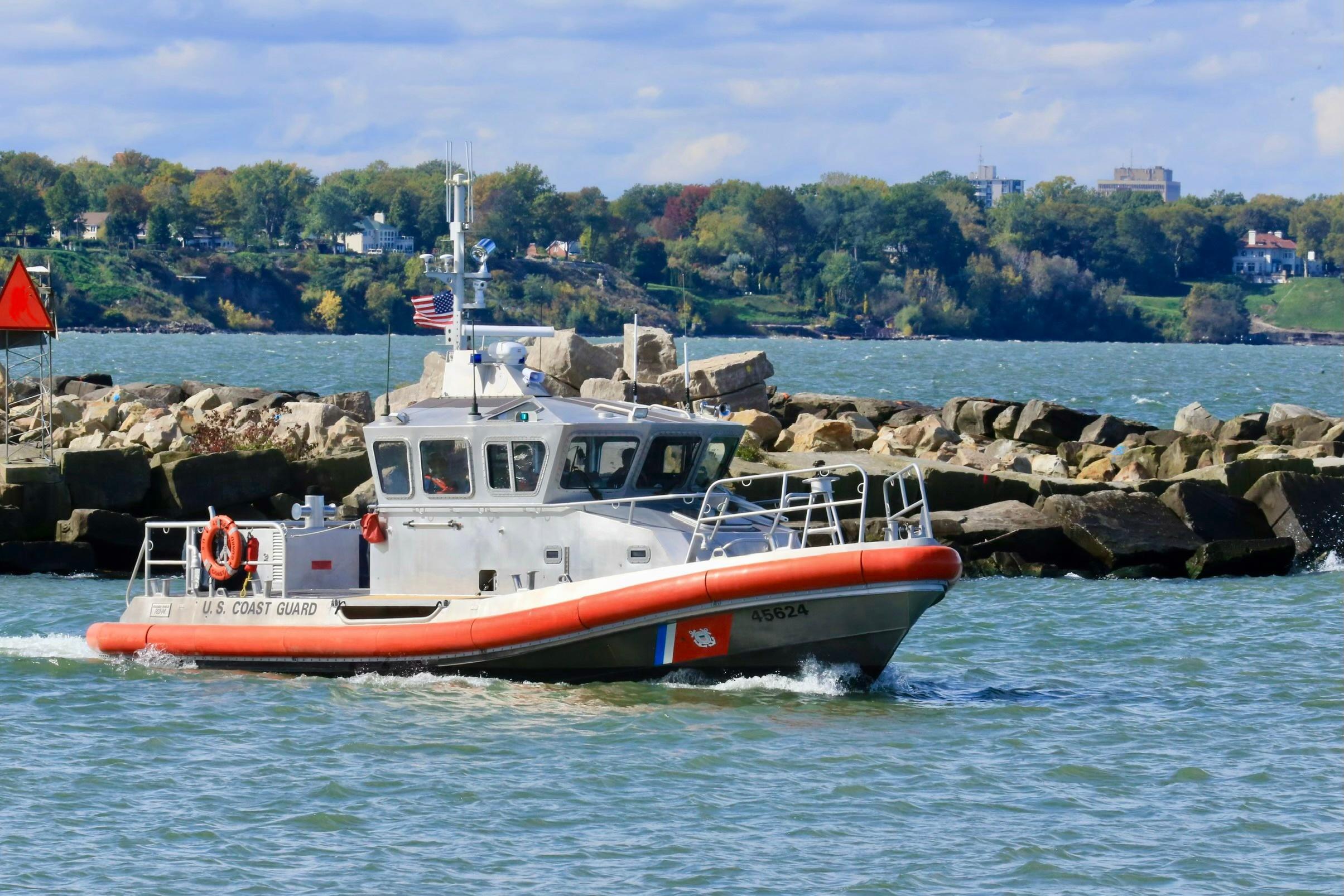
The flagship Palau center will serve as headquarters for regional maritime enforcement, training personnel in vessel boarding, evidence handling, and domain awareness while housing regional liaison officers. The overall strategy also expands bilateral Shiprider agreements, enabling local law enforcement officers from Pacific countries to board U.S. Coast Guard vessels to enforce maritime laws throughout their respective exclusive economic zones. mbj