













BY KATIE AIZON
Journal Staff
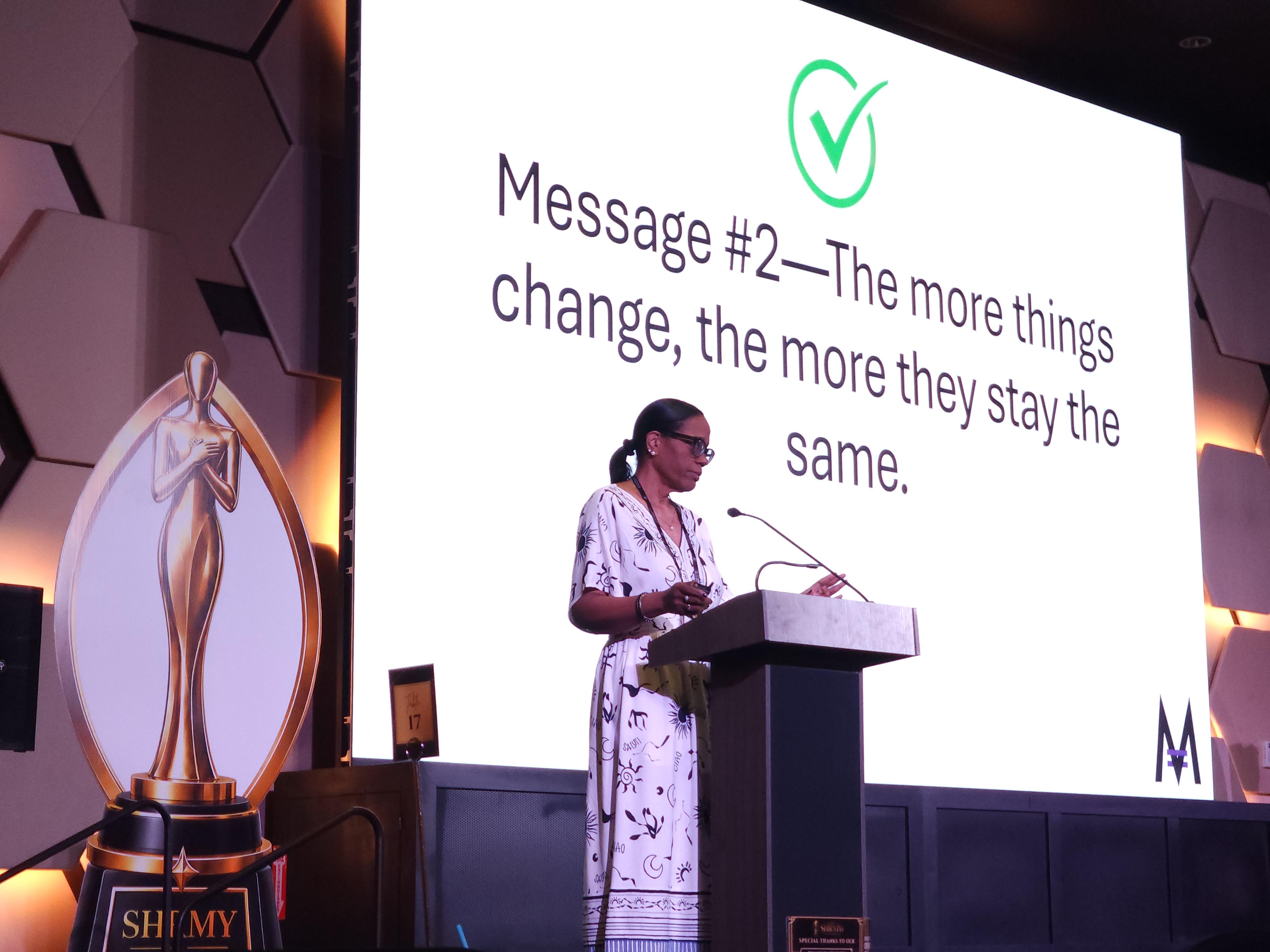
The Society for Human Resources Management Guam Chapter hosted the 2026 SHRM Guam Annual Conference on Aug. 14. During the conference, changes in the priorities of the U.S. Equal Employment Opportunity Commission were highlighted.
Keynote speaker Cheryl J. Mabry, owner of Mabrie EEO Services and a former director at EEOC, shared how current priorities affect businesses.
EEOC enforces federal laws and handles cases in which employees are discriminated based on race, religion, sex, nationality, age, disability, or genetic information in workplaces across the U.S.
According to Mabry, a small organization does not typically have enough funding or staffing, operating on limited resources. “There’s always been an effort regardless of who’s been in charge to do some kind of triaging of the workload to figure out where best to place resources,” she said.
Mabry said employers should ensure they continue to not violate actual laws as the agency handles a large volume of cases, and some cases are dismissed as quickly as possible due to heavy workload. Employers should also note that despite changes in agency priorities, case statistics do not drastically change over time, as seen by Title VII Civil Rights Act race-based charge receipts remaining consistent since 1997.
“For a 28-year period with administrations and priorities changing, the number really does not change much,” she said. Some EEOC priorities such as agencies having greater impacts despite limited resources, vulnerable worker protection, retaliation, aggressive enforcement, and systemic harassment remain relevant. Current EEOC priorities include religious discrimination, discrimination based on nationality, halting disparate impact investigations in which employers allegedly have neutral policies negatively impacting a certain group of people, and halting gender identity cases.
Mabry said it is crucial for employers to remain calm despite changing political climates and lead for business reasons instead of political ones. “Exclusion is the problem not inclusion,” she said. mbj
Journal Staff
The Society for Human Resources Management Guam Chapter hosted the 2026 SHRM Guam Annual Conference on Aug. 14. During the conference, changes in the priorities of the U.S. Equal Employment Opportunity Commission were highlighted.
Keynote speaker Cheryl J. Mabry, owner of Mabrie EEO Services and a former director at EEOC, shared how current priorities affect businesses.
EEOC enforces federal laws and handles cases in which employees are discriminated based on race, religion, sex, nationality, age, disability, or genetic information in workplaces across the U.S.
According to Mabry, a small organization does not typically have enough funding or staffing, operating on limited resources. “There’s always been an effort regardless of who’s been in charge to do some kind of triaging of the workload to figure out where best to place resources,” she said.
Mabry said employers should ensure they continue to not violate actual laws as the agency handles a large volume of cases, and some cases are dismissed as quickly as possible due to heavy workload. Employers should also note that despite changes in agency priorities, case statistics do not drastically change over time, as seen by Title VII Civil Rights Act race-based charge receipts remaining consistent since 1997.
“For a 28-year period with administrations and priorities changing, the number really does not change much,” she said. Some EEOC priorities such as agencies having greater impacts despite limited resources, vulnerable worker protection, retaliation, aggressive enforcement, and systemic harassment remain relevant. Current EEOC priorities include religious discrimination, discrimination based on nationality, halting disparate impact investigations in which employers allegedly have neutral policies negatively impacting a certain group of people, and halting gender identity cases.
Mabry said it is crucial for employers to remain calm despite changing political climates and lead for business reasons instead of political ones. “Exclusion is the problem not inclusion,” she said. mbj