













Guam and the Northern Mariana Islands are now in Condition of Readiness 3 as Typhoon Bavi approaches, with both governors urging residents and businesses to use the remaining hours of fair weather to prepare.
At 2:30 p.m., July 3, Gov. David M. Apatang moved NMI into COR 3, ordered shelters on Saipan, Tinian and Rota to open at 3 p.m., and urged families still recovering from Super Typhoon Sinlaku to take every precaution as Bavi nears.
Gov. Lourdes A. Leon Guerrero placed Guam in COR 3 at 3 p.m. that same day, calling on island residents to secure homes and businesses, gather supplies and finalize storm plans.
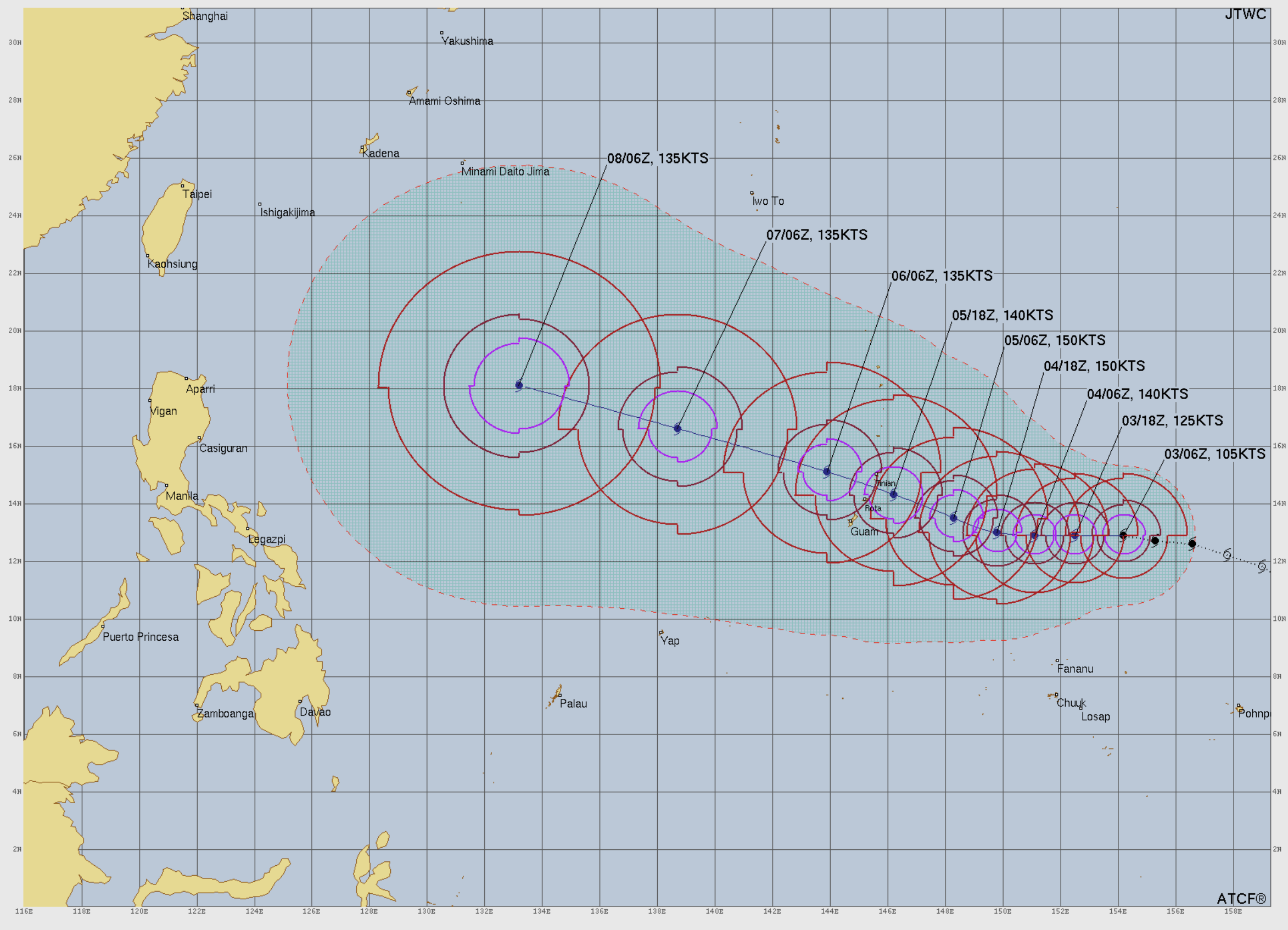
As Typhoon Bavi strengthens over the western Pacific, businesses and families across Guam and the Northern Mariana Islands are bracing for another dangerous storm just months after a super typhoon tore through the region and left parts of the Commonwealth without power or running water for weeks.
Forecasters warn Bavi could rapidly intensify into a super typhoon as it tracks toward the Marianas, with current projections showing a pass near or just south of Tinian early next week. The National Weather Service in Guam has described the outlook as “grim” for multiple islands, with at least tropical storm conditions expected across both Guam and the NMI and the potential for much stronger winds where the storm’s eye comes closest. And while Yap and Palau will be spared the brunt of the storm
On Guam, the approach of Bavi is the latest reminder that extreme weather is no longer an outlier event, but a recurring risk that businesses must plan around.
“Our responsibility is to ensure the Port is as prepared as possible before severe weather arrives,” Port Authority of Guam General Manager Rory J. Respicio said Friday, as the U.S. Coast Guard Captain of the Port set Heavy Weather Condition X‑RAY for Guam’s harbor. “The work we’re doing today will help protect critical infrastructure, support the island’s supply chain, and allow us to recover and resume operations safely as soon as conditions permit.”
At least 90% of all of Guam’s imported goods come through the Port Authority.
Under Condition X‑RAY, shoreside facilities and terminals are moving to complete cargo operations, secure hazardous materials and potential flying debris, and prepare large commercial vessels to depart if required. Port personnel have spent days lowering container stacks, securing gantry cranes, and conducting division‑level preparedness meetings aimed at minimizing downtime after the storm passes.
That level of operational readiness is critical in a hub that keeps food, fuel and consumer goods flowing not only to Guam but to neighboring islands.
For the islands of the northern Marianas, which are still in recovery mode, Bavi’s approach carries a different weight.
In April, Super Typhoon Sinlaku slammed into Saipan, Tinian and Rota — reportedly as one of the strongest storms on Earth this year. Sustained winds of 150 mph ripped roofs from homes, toppled power poles and rains flooded neighborhoods. From Monday through Wednesday, supertyphoon strength winds hammered the islands, barely slowing down to 125 mph even as the system pulled away to the north.
Power outages were widespread. Many roads were impassable, and families endured days without electricity, cell service or running water as they waited for conditions to improve. More than 1,000 residents across Guam and the Northern Marianas took shelter with support from the American Red Cross and its partners, according to agency officials.
Months later, portions of the CNMI remain in recovery mode, with repairs underway to critical infrastructure, housing and local utilities. Bavi’s forecast path, toward the same island chain still rebuilding from Sinlaku, has raised alarms among officials and businesses alike.
For companies on Saipan and Tinian, the storm comes at a time when many are balancing reopening and reconstruction costs with higher insurance premiums and the prospect of yet another interruption to operations. Small retailers and service providers, already operating on thin margins, face difficult decisions on inventory, staffing and capital investments in an environment where a single storm can reset months of progress.
Regional business leaders say the back‑to‑back storms highlight the need for stronger continuity planning and investment in resilient infrastructure, particularly in sectors that underpin daily life: ports, power, water, telecommunications and logistics.
Heavy Weather Condition X‑RAY was set for both Guam and the NMI on Friday morning, triggering additional requirements for commercial vessels and shoreside facilities to prepare and secure assets ahead of hazardous weather.
Under federal regulations, “dead” ships and barges that cannot put to sea must request permission to remain in port, while non‑approved vessels must prepare to leave the harbor before conditions deteriorate. The next threshold, Heavy Weather Condition YANKEE, could be declared as early as Saturday, requiring all large commercial vessels to depart and restricting inbound traffic without explicit approval.
Those steps are meant to reduce the risk of damage to port infrastructure and vessels themselves, helping ensure that cargo operations can resume quickly after the storm and that essential supplies reach island communities.
But while Guam’s core infrastructure may be better positioned to withstand Bavi’s winds and rain, the Northern Marianas’ recent experience with Sinlaku underscores uneven resilience across the region. In Saipan and Tinian, many families are still repairing homes and businesses are still negotiating insurance claims and reconstruction contracts. For them, Bavi is not simply another line on a tracking map; it is a new threat arriving before the last one has fully faded.
This can be seen as a regional wake‑up call. Climate scientists and disaster planners have long warned that Pacific island jurisdictions, including Guam and the CNMI, face increasing exposure to stronger and more frequent tropical cyclones as ocean temperatures warm. Super Typhoon Sinlaku’s rapid intensification and Bavi’s similar potential trajectory through the Marianas in the same year sharpen that warning into a lived reality.
For the business community, the implications are immediate. Storm‑resilient design, diversified supply chains, redundant communications and realistic continuity plans are no longer optional line items but basic requirements for operating in a high‑risk environment. From hotels and retailers to construction firms and professional services, the question is less whether another major storm will strike and more how prepared each enterprise will be when it does.
As Bavi moves closer, island residents across Guam and the Northern Marianas are using the current window of fair weather to secure properties, stock supplies and check on neighbors.
Local residents filled stores and gas stations as they stock canned and dried goods, restocked on batteries and other storm necesseties, and filled car fuel tanks.
Regional officials and emergency managers are urging businesses to safeguard staff and assets, review contingency plans, and stay closely tuned to official forecasts and advisories.
Guam, NMI enter COR 3; leaders urge residents to prepare as Typhoon Bavi approaches Marianas
Guam, NMI enter COR 3; leaders urge residents to prepare as Typhoon Bavi approaches Marianas
- Date Posted: Jul 03, 2026
- News: Federated States of Micronesia, Guam, Northern Mariana Islands, Palau
-
Share this News
Guam, NMI enter COR 3; leaders urge residents to prepare as Typhoon Bavi approaches Marianas
Recommended Articles...
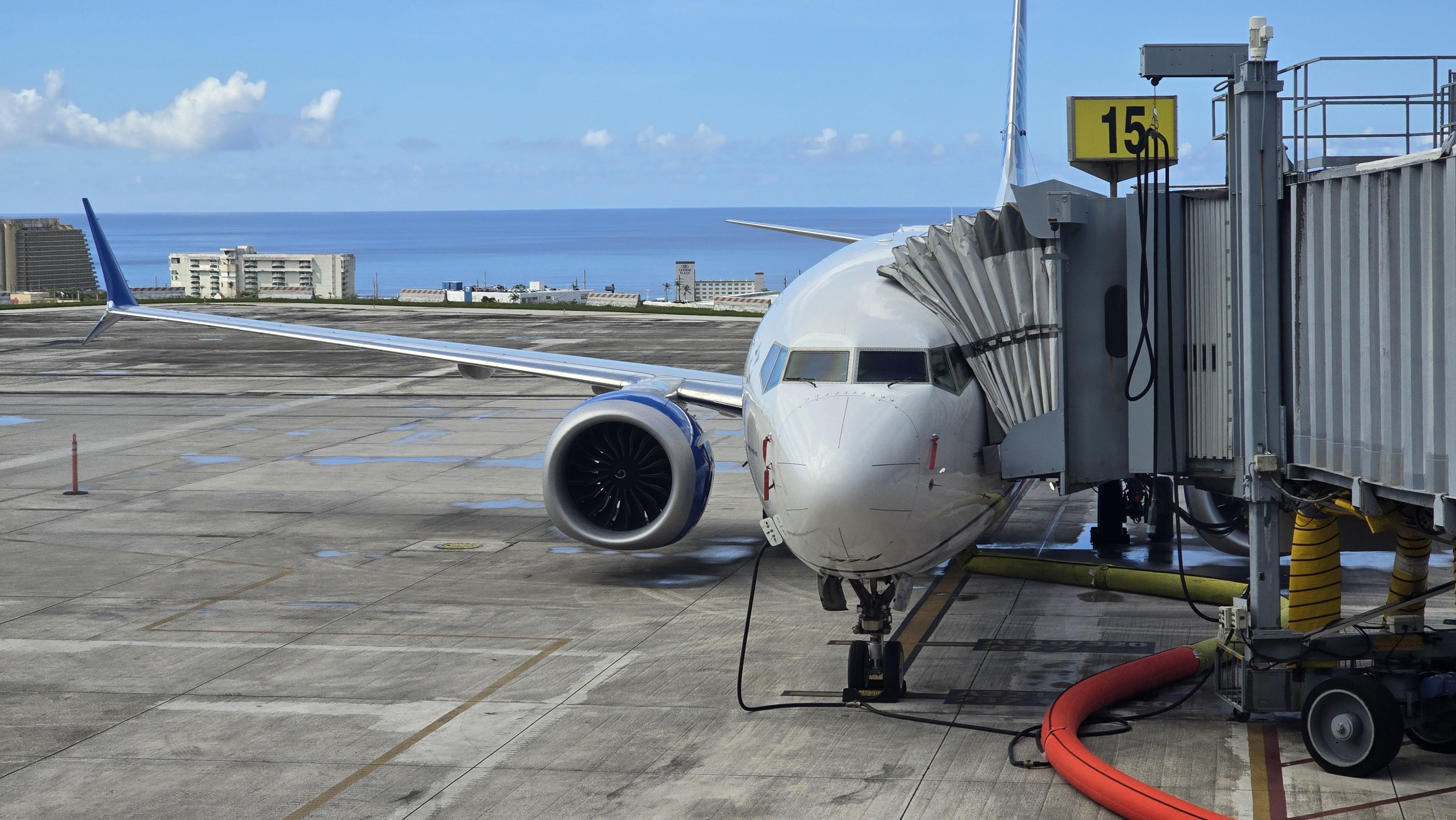
Airline emphasizes commitment to Guam and the region
If there was an overarching message from David Kinzelman, chief customer officer and senior vice president for airport operations, during his visit, it was that the region is not only important to the airline, but that its customers receive the same attention as anywhere else in the United network.
Read More 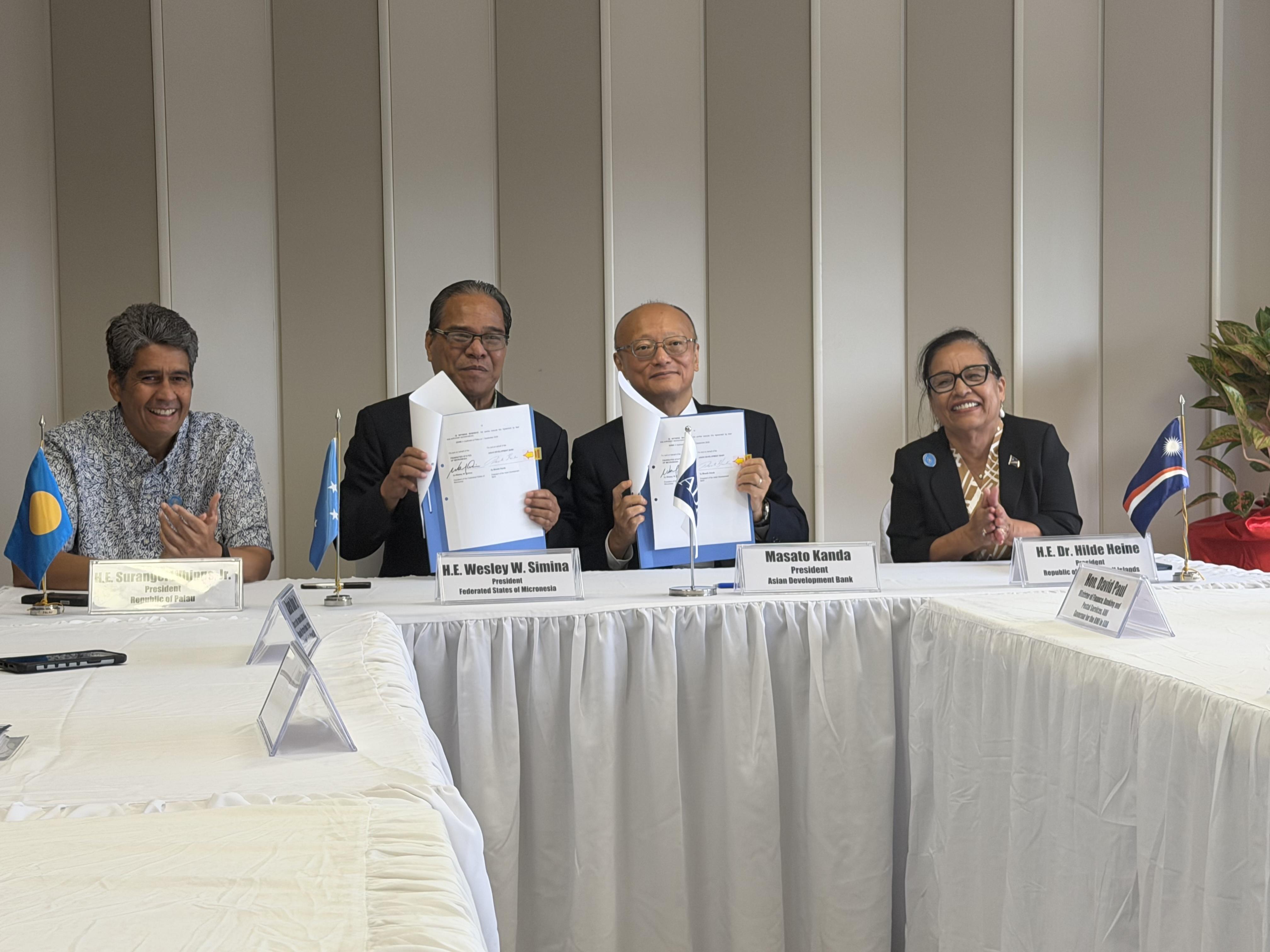
ADB, U.S. and Australia announce major funding pledges on sidelines of 55th Pacific Islands Forum
Leaders and officials converged here this week on the margins of the 55th Pacific Islands Forum Leaders Meeting, announcing a series of financial commitments aimed at bolstering the region’s fiscal stability, energy security and border security.
Read More 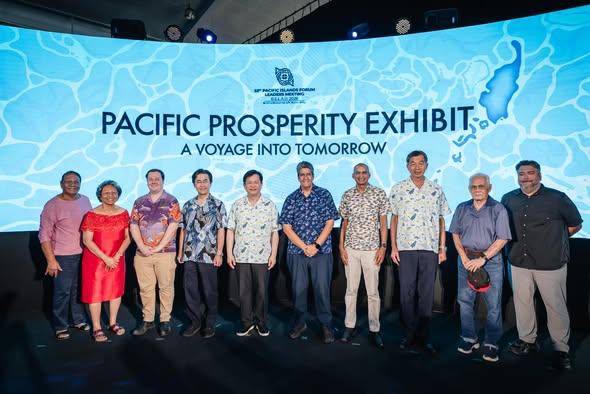
Senior diplomats are in Palau for the Pacific Island Forum
The Pacific Prosperity Exhibit officially opened Aug. 27 at the Palau National Gym ahead of the 55th Pacific Islands Forum Leaders Meeting.
Read More 
Coast Guard cutter Vincent Danz joins search effort, welcome ceremony postponed
The Vincent Danz joined a search for a missing skiff, with several people aboard, near the Federated States of Micronesia on Aug. 4.
Read More