According to the U.S. Department of the Interior’s Bureau of Energy Management, a company can’t apply for a deep-sea mining license because it thinks such mining will be lucrative or attract investors.
“Interested parties must first submit qualification documentation to BOEM to verify they are financially and technically capable of holding a lease,” BOEM’s regulations say.
The first award of a deep-sea mining license outside of U.S. mainland waters is only a few months away, according to Journal files. See Deep Sea Mining Moves Ahead in the Marianas.
But companies with little experience in either mining or deep sea exploration are eyeing licenses, according to the Associated Press, which first broke the story of nine companies applying. They include a company that “once made its money hunting for sunken treasure (Odyssey Marine Exploration), and a South Carolina-based startup that sprung from an effort to find Amelia Earhart's long-lost plane,” called Deep Sea Vision.
According to Alaska Public Media, “a startup named Impossible Metals has set its sights on seafloor nodules in U.S. waters near American Samoa and the Northern Mariana Islands, despite growing outcry from local residents and leaders.”
The latest example of that outcry is the 38th Guam Legislature’s May 22 feel-good measure to ban deep-sea mining from Guam and its waters under penalty of $50,000-per-day fines.
Despite protests and an icy welcome in Guam, officials from the Bureau of Ocean Energy Management were expected to return to Guam and Saipan in May for additional face-to-face meetings. But no such visits have been announced by the office of the Governor of Guam or the Governor of the Northern Mariana Islands.
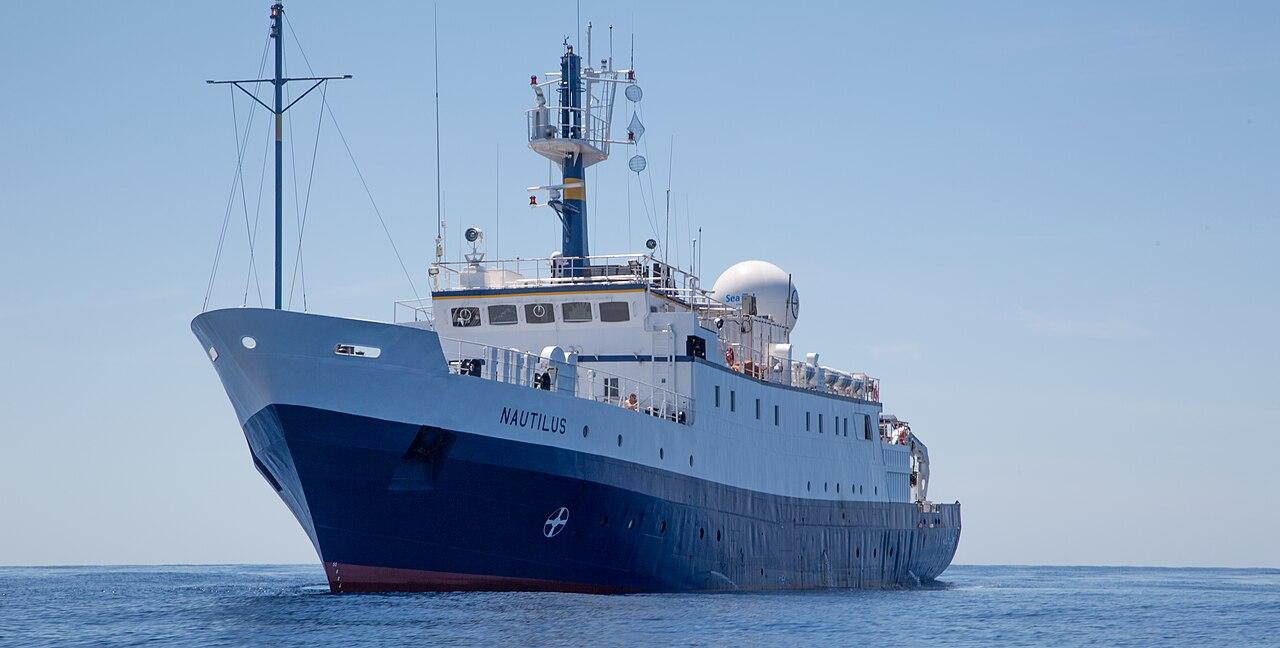
Ocean Exploration Trust/Institute for Exploration, Susan E. Poulton, Media Relations, E/V Nautilus In related news, the Exploration Vessel Nautilus will return to the waters of the Mariana Islands and on this voyage to the waters around Wake Island.
Supported by the Ocean Exploration Trust and its partners, the EV Nautilus will explore deep-sea habitats in the Central and Western Pacific using its mapping sonars, remotely operated vehicle systems, and other exploration technologies brought aboard from partners of the NOAA Ocean Exploration Cooperative Institute and other researchers, a May 26 release from the Ocean Exploration Trust said.
There will be five expeditions this year. They are Pacific Mapping from June 10 – 24 from Hawaii to Guam, Deep-Sea Habitats in the Mariana Islands I from June 28 – July 21, Deep-Sea Habitats in the Mariana Islands II from July 25 – Aug. 16, Exploration of Wake Island's Deep Sea from Aug. 20 – Sept. 18, and Deep-Sea Habitats of the Hawaiian Archipelago from Sept.22 – Oct.12.
“The data gathered aboard E/V Nautilus establishes a scientific baseline that future research, resource management, and responsible ocean stewardship decisions depend on. The goals of each expedition are developed with national exploration priorities and input from scientists, resource managers, and local community stakeholders in the regions where the expeditions will take place,” the release said.
From June to October, expeditions will be streamed live on NautilusLive.org, according to the release. mbj
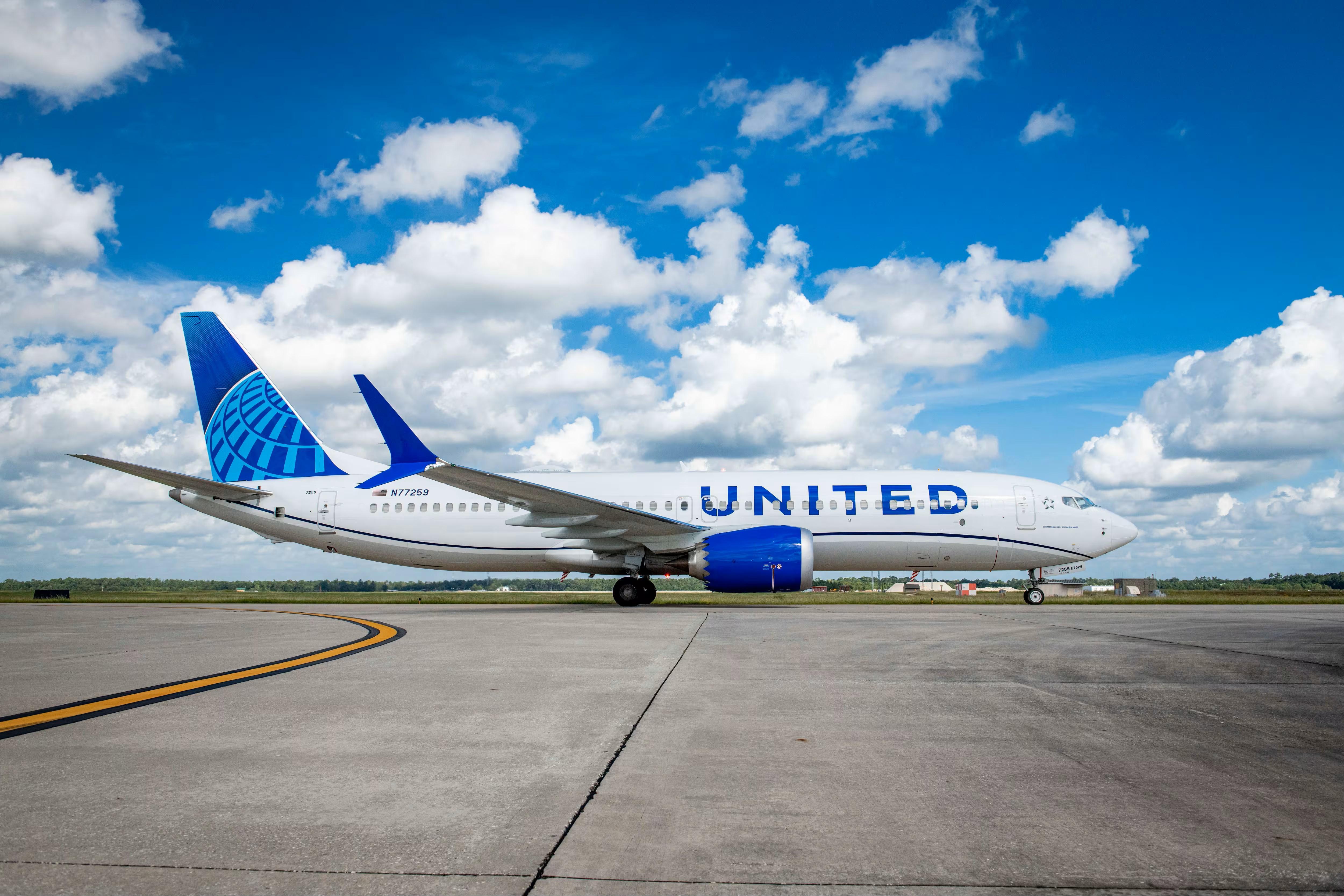
United Airlines Holdings, Inc. reported an all-time record total operating revenue of $17.9 billion for the third quarter of 2026, representing a 17.4% increase compared to the same period in 2025.
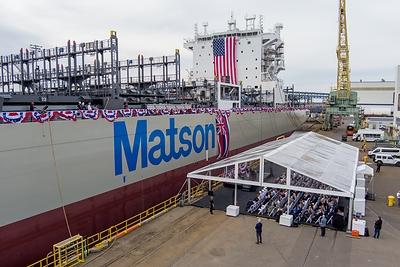
Matson Inc. and Hanwha Philly Shipyard Inc. held a christening ceremony for the Aloha Class Vessel Makua, set to serve Guam in the first quarter of 2027, at the Hanwha Philly Shipyard, Philadelphia on Oct. 12.
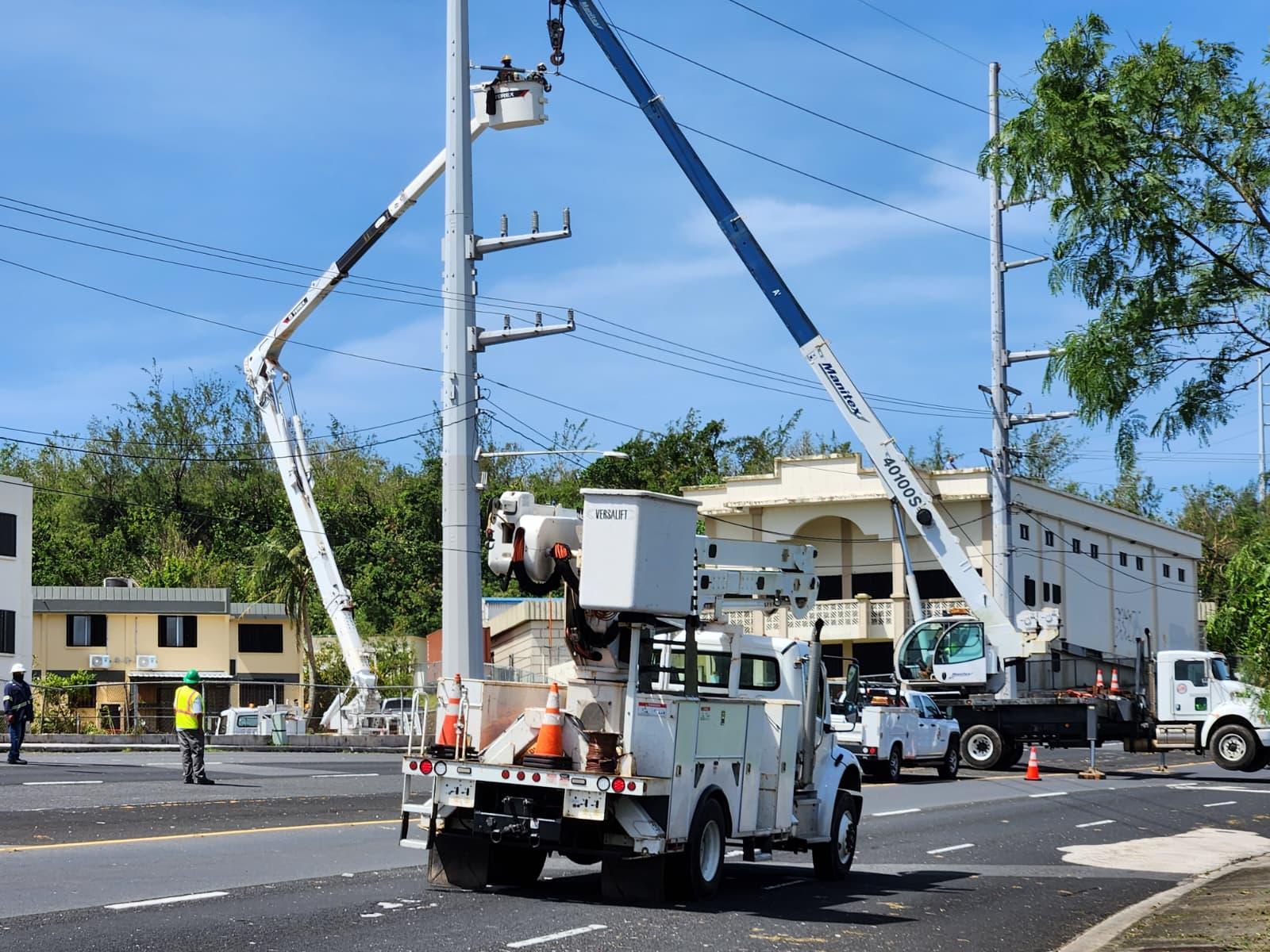
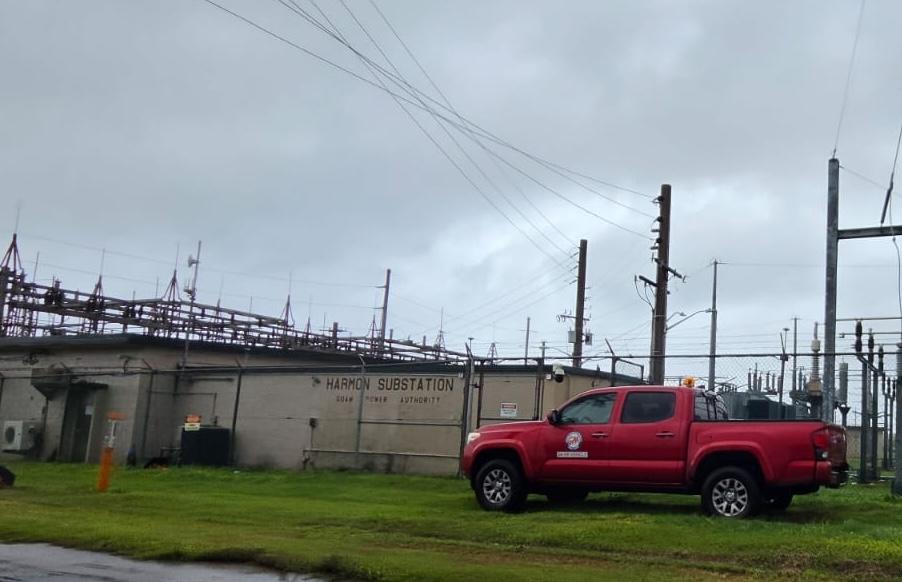
Essential infrastructure, commercial fuel stations, and private health facilities across Guam are swiftly reopening following the passage of Super Typhoon Champi, with key transportation hubs and utility providers moving into full recovery status.
Just hours after Super Typhoon Champi passed south of Guam, President Donald Trump approved Gov. Lourdes A. Leon Guerrero's request for an emergency declaration, which authorizes the Department of Homeland Security's Federal Emergency Management Agency to coordinate emergency assistance.