US bureau rolls back protections for deep sea mining, to include those for the Mariana Islands
BY MAUREEN N. MARATITA Journal Staff
The Bureau of Ocean Energy Management announced Feb. 24 CHamoru Standard Time “proposed revisions to its regulations” which it said are “to support critical mineral exploration and development essential for national security and economic prosperity.”
The rules are related to “hard mineral resources on the U.S. Outer Continental Shelf aiming to advance exploration and development of critical minerals essential to national security, economic competitiveness and technological progress,” the bureau said.
Photo from Journal files
According to the Center for Biological Diversity, the rule will also affect Guam, the Northern Mariana Islands and American Samoa.
Emily Jeffers, senior attorney at the center, told the Journal, “The outer continental shelf off CNMI/Guam and American Samoa is not available for offshore oil and gas leasing but is available for wind/minerals leasing, as a result of modifications to the definition of the “Outer Continental Shelf” made in the IRA of 2022.”
The Inflation Reduction Act of 2022 indirectly boosts deep-sea mining by incentivizing domestic production of critical minerals (lithium, cobalt, nickel, manganese) via a 10% tax credit.
In its announcement of the proposed rule, Matthew Giacona, acting director of BOEM, said, “America cannot afford to sit on the sidelines while the world races to secure critical mineral supply chains.“
Emily Jeffers.
Giacona further said, “Under Secretary Burgum’s leadership, we are modernizing outdated regulations to meet the urgency of this moment. Offshore critical minerals are foundational to our defense systems, advanced manufacturing, and energy technologies. A faster and more accountable regulatory framework ensures we develop these resources responsibly — and on the American people’s terms.”
Both Gov. Lourdes A. Leon Guerrero and Gov. David M. Atapang were in Washington, D.C. for the annual meeting of the National Governors Association. Guerrero’s office said she spoke at the 2026 Interagency Group on Insular Affairs plenary session, which Burgum, Alex Meyer, deputy assistant to the president and director of the White House Office of Intergovernmental Affairs, and other White House officials attended.
The proposed rule will initiate a 60-day comment period, which will end April 27.
Jeffers also said in a release to the Journal, “The Trump administration wants to gut longstanding environmental protections in its rush to mine the bottom of the ocean.
“This dangerous proposal would harm fragile deep-sea animals and make it harder for states to fight back. These are mysterious places where new discoveries are made with almost every deep-sea dive. It would be heartbreaking if this administration sold the deepest depths of our oceans to the highest bidder. We’ll do everything possible to stop it,” she said.
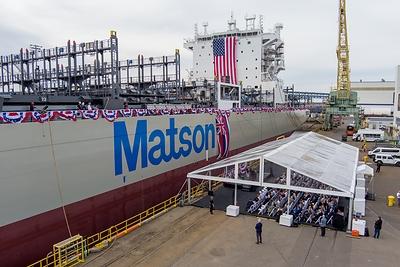
Matson Inc. and Hanwha Philly Shipyard Inc. held a christening ceremony for the Aloha Class Vessel Makua, set to serve Guam in the first quarter of 2027, at the Hanwha Philly Shipyard, Philadelphia on Oct. 12.
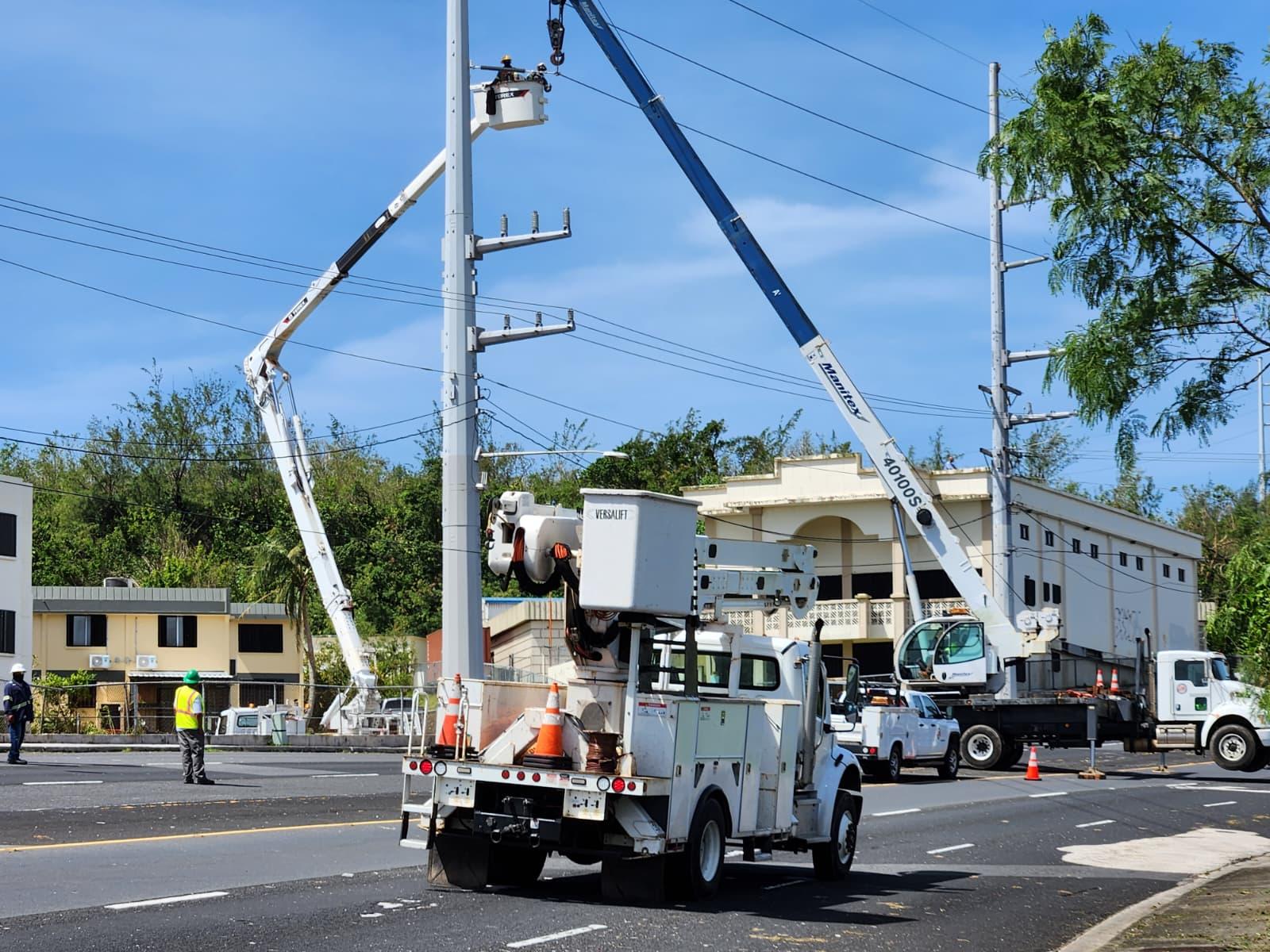
Essential infrastructure, commercial fuel stations, and private health facilities across Guam are swiftly reopening following the passage of Super Typhoon Champi, with key transportation hubs and utility providers moving into full recovery status.
Just hours after Super Typhoon Champi passed south of Guam, President Donald Trump approved Gov. Lourdes A. Leon Guerrero's request for an emergency declaration, which authorizes the Department of Homeland Security's Federal Emergency Management Agency to coordinate emergency assistance.
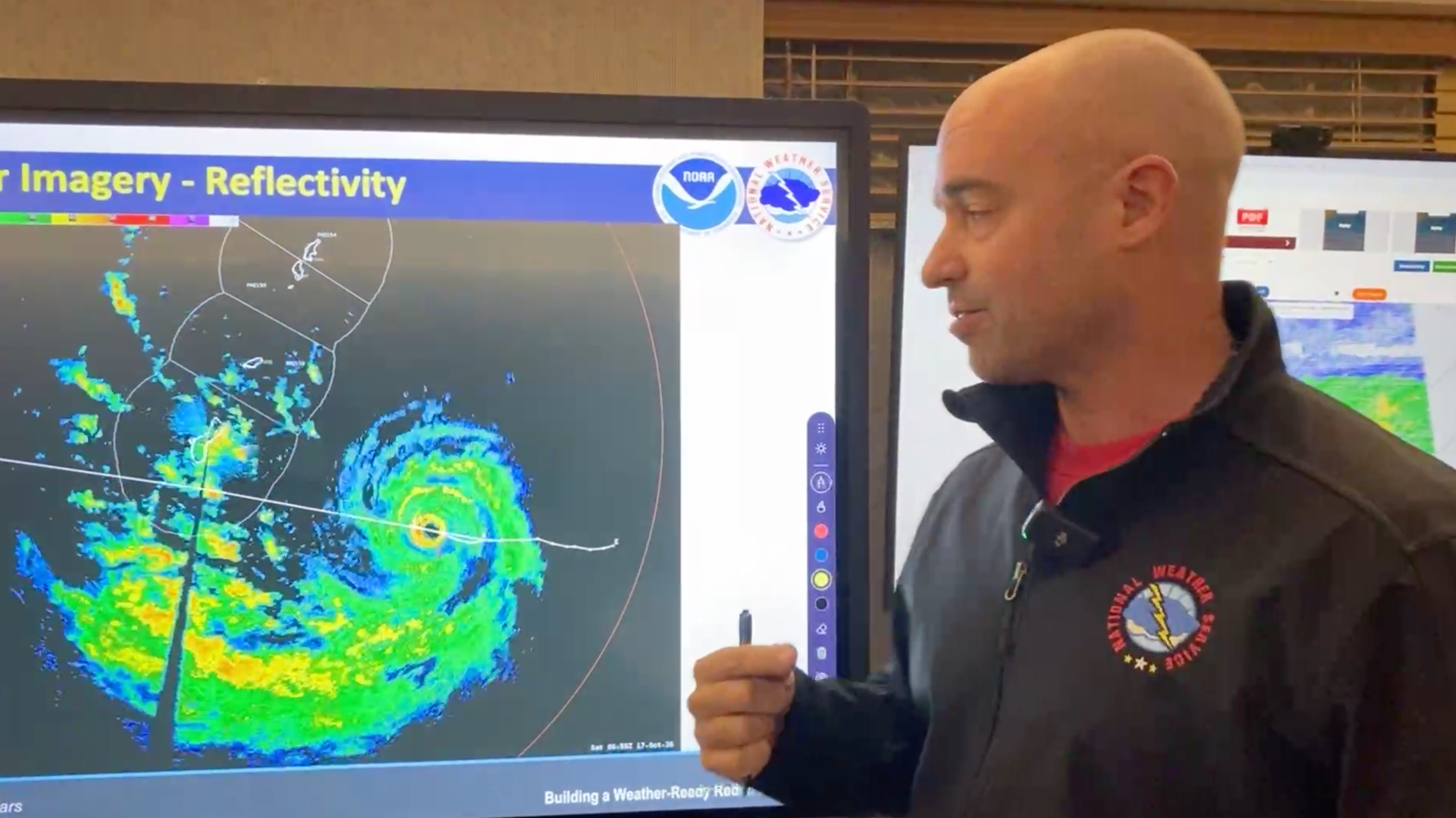
Typhoon Champi is now expected to be a Category 4 storm, with winds of 130 to 156 mph and gusts of more than 180 mph, when it makes its closest approach to Guam.