HANMI addresses March suspension of Korean air service
Sourcing a statement by the Marianas Visitors Authority, HANMI said both airlines are “currently facing operational challenges on the Saipan route due to broader industry conditions, including a strong U.S. dollar, regulatory seat-capacity obligations on the Korea–Guam route following the Korean Air–Asiana Airlines merger, and increasing competition from emerging beach destinations in Japan and Vietnam.”
Cessation of bookings raises “serious concern that daily services may be suspended unless timely solutions are identified,” HANMI said.
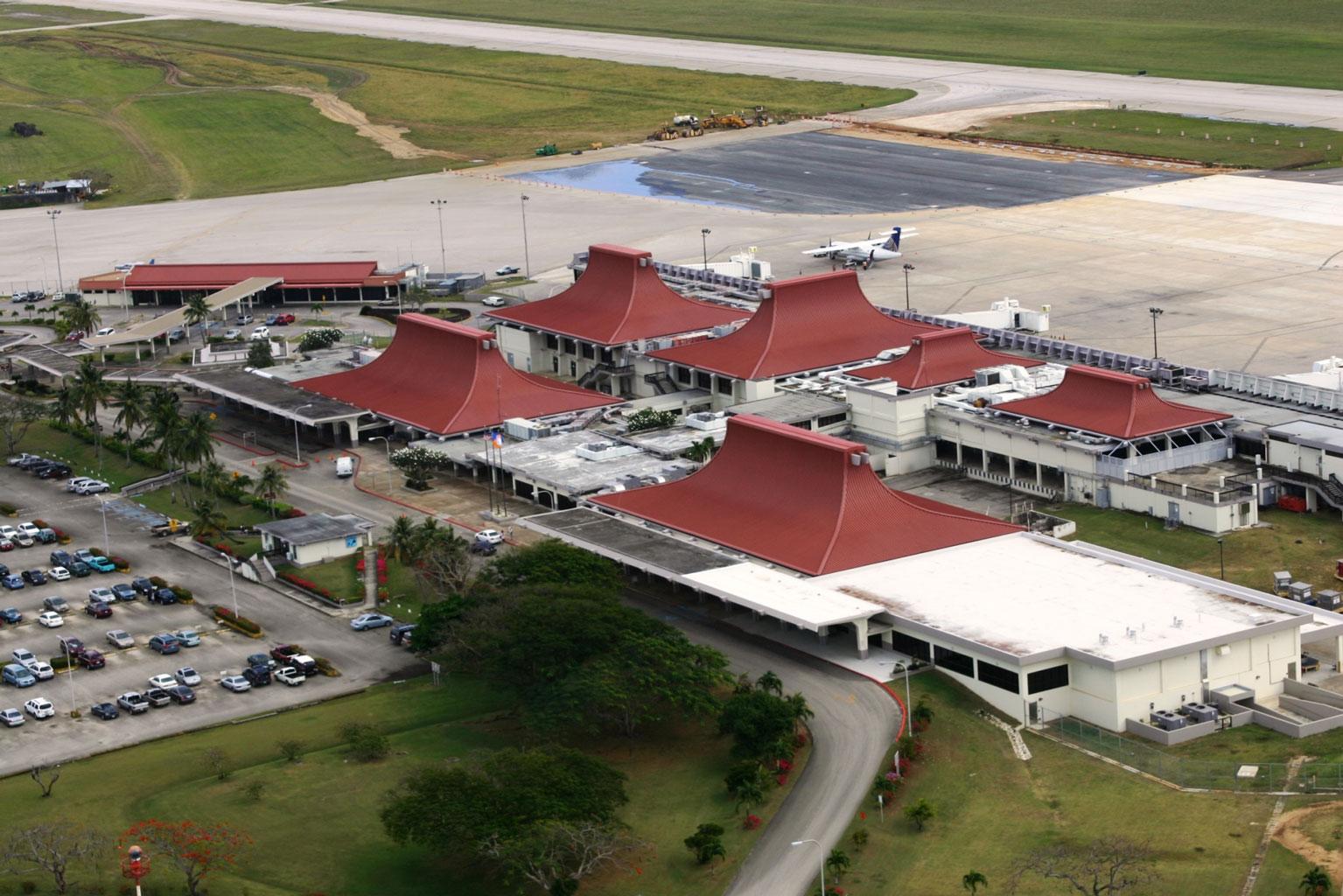
Saipan Airport. Photo courtesy of the Commonwealth Ports Authority
If there is no solution, HANMI said the Northern Mariana Islands “will lose all direct air service from South Korea — our largest source market — which accounts for approximately 63 percent of total visitor arrivals.”
HANMI said it and other local partners are again requesting federal assistance “including a waiver from cabotage restrictions and consideration for Essential Air Service designation, to preserve critical air access. Given the imminent loss of service, federal support is now urgently needed to prevent further economic decline,” the association said.
It also called for the continuation of the Economic Vitality & Security Travel Authorization Program, or the EVS-TAP, describing the visa-free program allowing travel to the NMI for nationals of the People’s Republic of China as “a key component of long-term tourism recovery.”
In January, HANMI reported a 28.69% average occupancy rate among 11 member hotels for December, 29% lower than 39.75% in December 2024.
A total of 18,396 of 64,122 available room nights sold during December compared to 25,133 of 63,233 available rooms sold in December 2024. The average room rate was $112.23, as compared to $126.46 last December, HANMI said. mbj
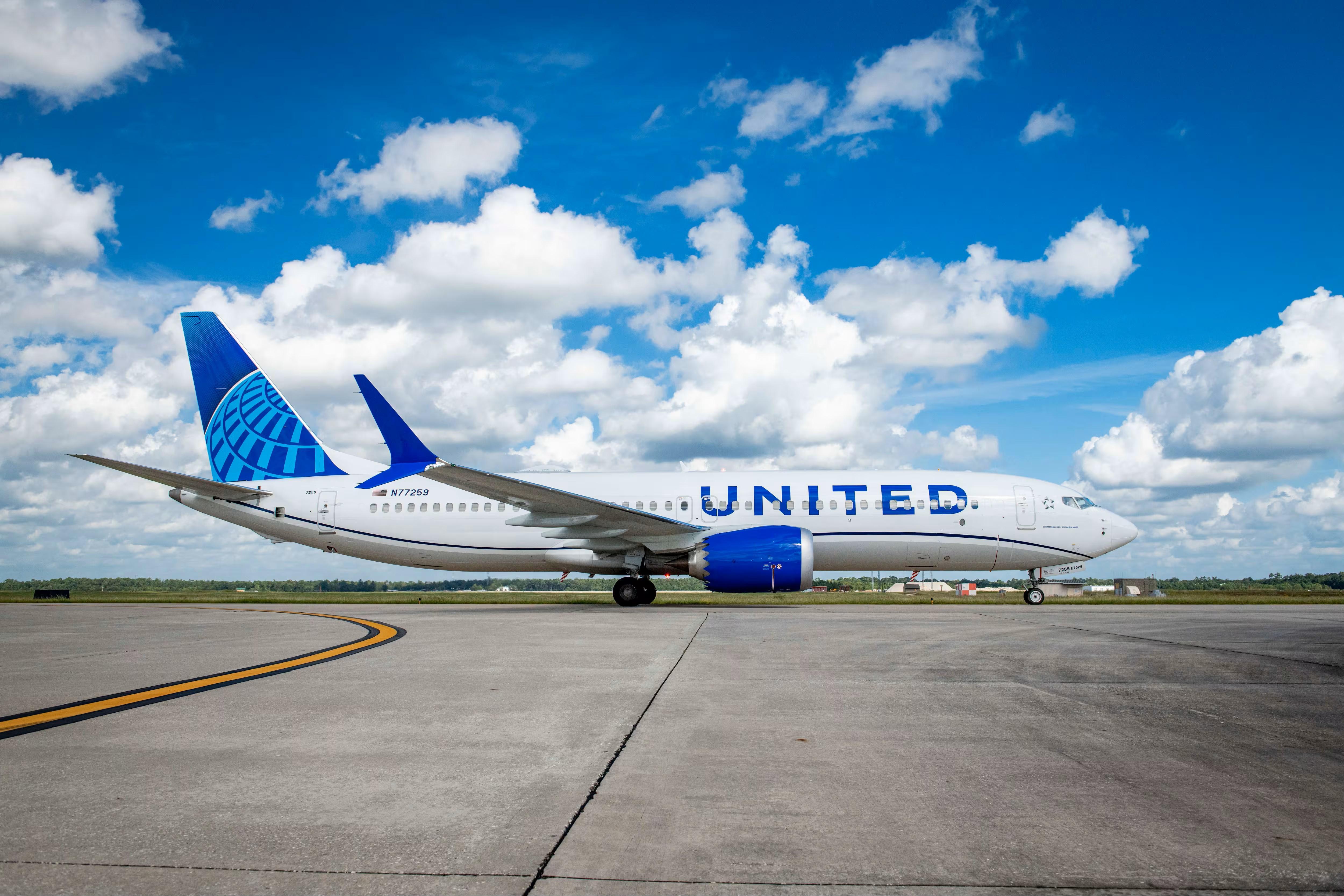
United Airlines Holdings, Inc. reported an all-time record total operating revenue of $17.9 billion for the third quarter of 2026, representing a 17.4% increase compared to the same period in 2025.
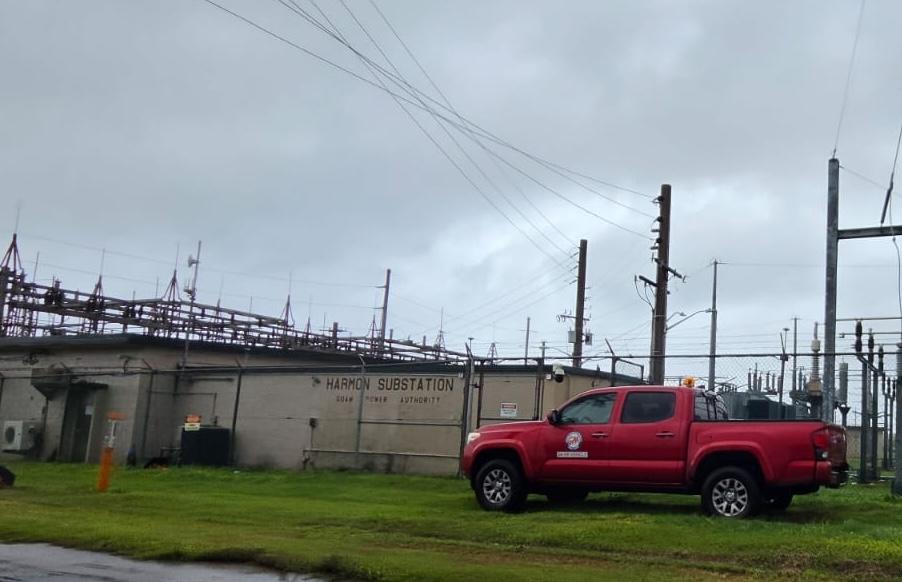
Just hours after Super Typhoon Champi passed south of Guam, President Donald Trump approved Gov. Lourdes A. Leon Guerrero's request for an emergency declaration, which authorizes the Department of Homeland Security's Federal Emergency Management Agency to coordinate emergency assistance.
SAIPAN, Northern Mariana Islands — For a growing number of Northern Mariana Islands entrepreneurs, a folding tent, a table, some inventory, and a few hours in front of a weekend crowd can be the first step toward something much bigger.