Mariana Islands brace for extended typhoon season in the rest of 2026
BY DANIEL M. PEREZ
Journal Staff
Following the passage of Super Typhoon Bavi through Guam and the Northern Mariana Islands on July 6, regional emergency officials are warning businesses and public leadership across the Marianas to prepare for a prolonged tropical cyclone season driven by a strong El Niño pattern.
AydlettMarcus Landon Aydlett, warning coordination meteorologist at the National Weather Service Weather Forecast Office in Guam, cautioned that current oceanic conditions indicate heightened storm activity that could extend late into the year.
Super Typhoon Bavi struck Rota with peak sustained winds of 180 mph, leaving severe structural damage in its wake. Northern Guam experienced Category 1 typhoon-force winds, while Saipan and Tinian were subjected to Category 1 and Category 2 conditions.
Despite Bavi reaching Category 5 intensity during its passage through the Northern Mariana Islands, local authorities reported zero casualties across the Mariana Islands, a stark contrast to Typhoon Sinlaku, which resulted in 17 casualties across the region when it traversed Micronesia in mid-April. Those casualties included nine people in Chuuk from falling trees, capsized vessels, and emergency medical delays, six NMI crew members confirmed dead after the cargo vessel Mariana capsized near Pagan, and two indirect fatalities on Guam caused by carbon monoxide poisoning from an indoor power generator.
"To hear the mayor and the homeland rep say no casualties known or reported, that was such good news," Aydlett said.
The absence of fatalities during Bavi was largely attributed to aggressive public communication and continuous coordination between weather officials and municipal leaders leading up to the passage of the eye.
"To know that Rota went through that without a single loss of life, to me that was like Christmas morning," Aydlett said. He added that if Bavi had shifted just 20 miles south into the Rota Channel, northern Guam would have sustained destructive Category 3 or Category 4 winds similar to those experienced during Typhoon Mawar.
Meteorological tracking confirms that the ongoing El Niño phase is shifting tropical cyclone genesis eastward into central Micronesia. This positioning gives developing systems extended time and ocean area over warm waters to intensify into major typhoons before reaching the Marianas archipelago. "We've been anticipating this El Niño for a while now," Aydlett said. High-intensity typhoons remain a threat through November, December, and potentially into January, he said.
Commercial operators and utility managers across Guam and the NMI are being urged to audit backup power systems, secure outdoor commercial assets, and re-evaluate supply chain buffer stocks ahead of potential late-season threats.
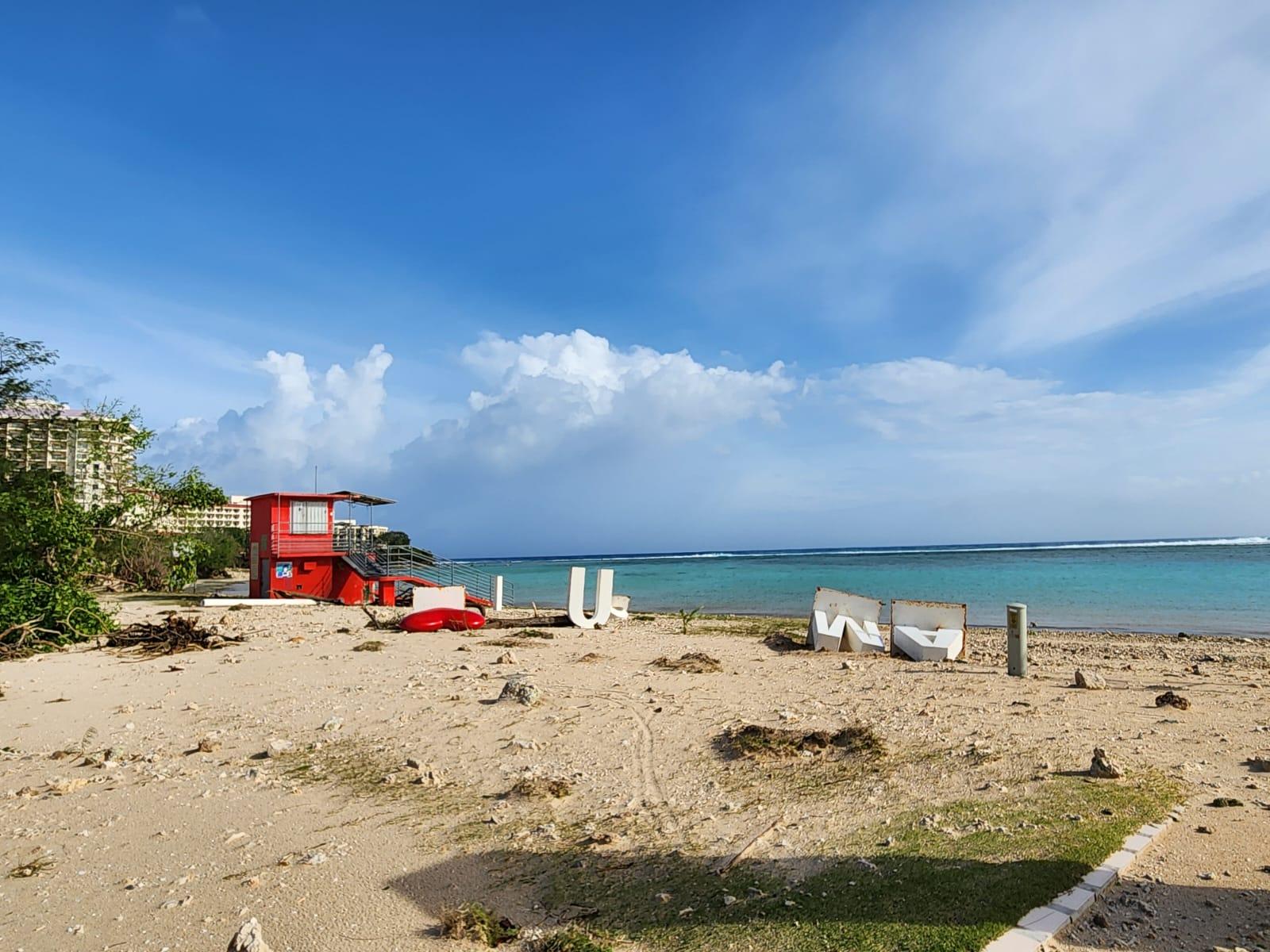
Super Typhoon Bavi flattened the large Guam sign on the beach in Tumon. Photo from Journal files
As recovery efforts continue across the island chain, officials are cautioning the public and business community against storm fatigue and viral panic caused by automated weather applications on social media.
Unrefined, long-range computer model runs shared online often trigger unnecessary economic disruption and panic buying days before a threat is even verified. "Nature doesn't stop and neither do we," Aydlett emphasized, urging residents and organizational leaders to rely strictly on official National Weather Service briefings rather than raw computer models.
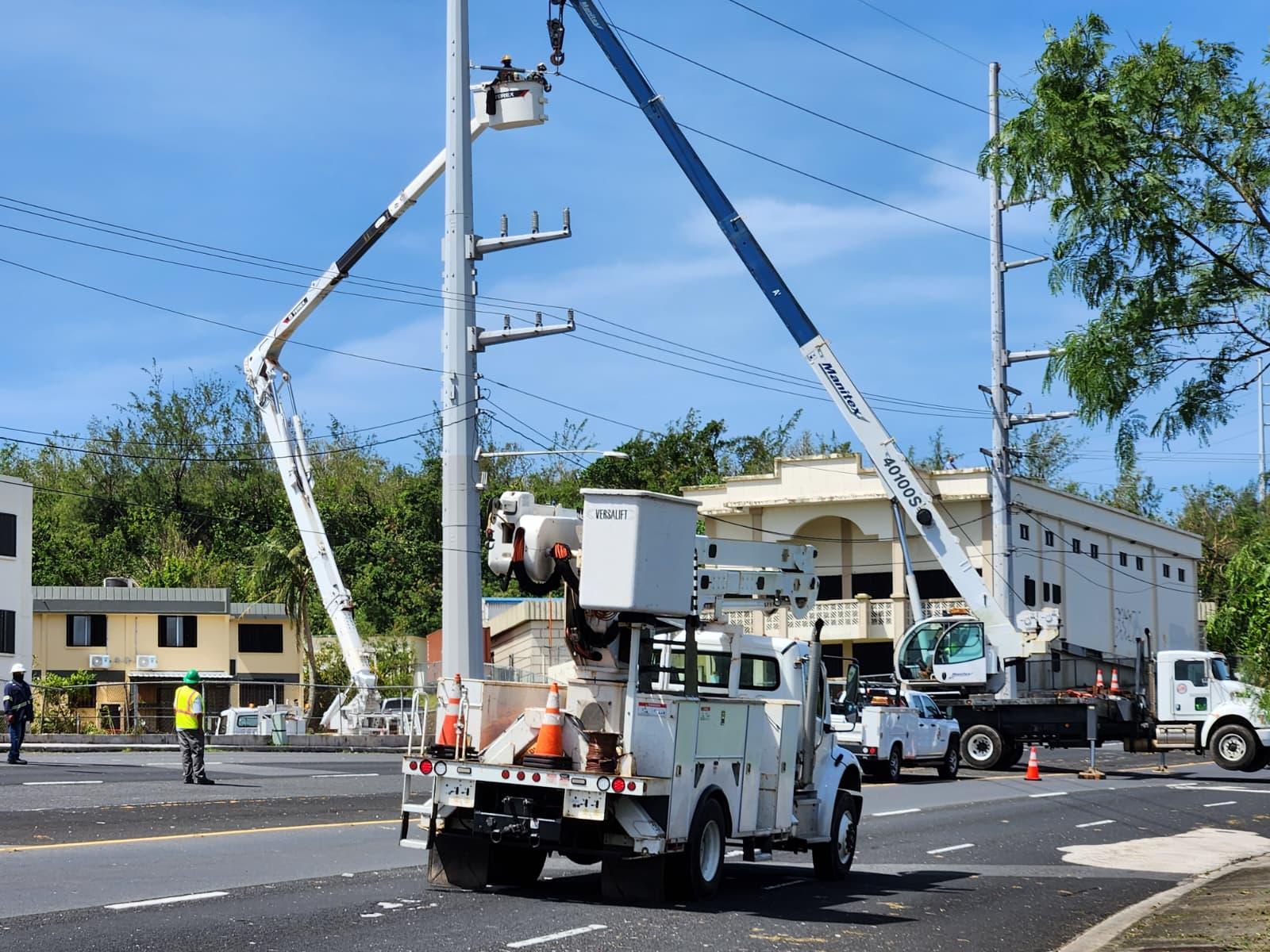
Addressing emergency management partners and contractors tasked with repairing storm-damaged infrastructure, Aydlett advised a vigilant, dual-track approach heading into the second half of the season. "Focus without haste on repairs, but in a moment's notice be ready to go from repair to prepare," Aydlett said. mbj
United Airlines Holdings, Inc. reported an all-time record total operating revenue of $17.9 billion for the third quarter of 2026, representing a 17.4% increase compared to the same period in 2025.
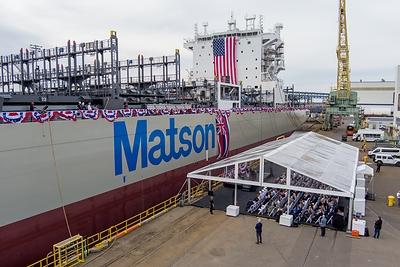
Matson Inc. and Hanwha Philly Shipyard Inc. held a christening ceremony for the Aloha Class Vessel Makua, set to serve Guam in the first quarter of 2027, at the Hanwha Philly Shipyard, Philadelphia on Oct. 12.
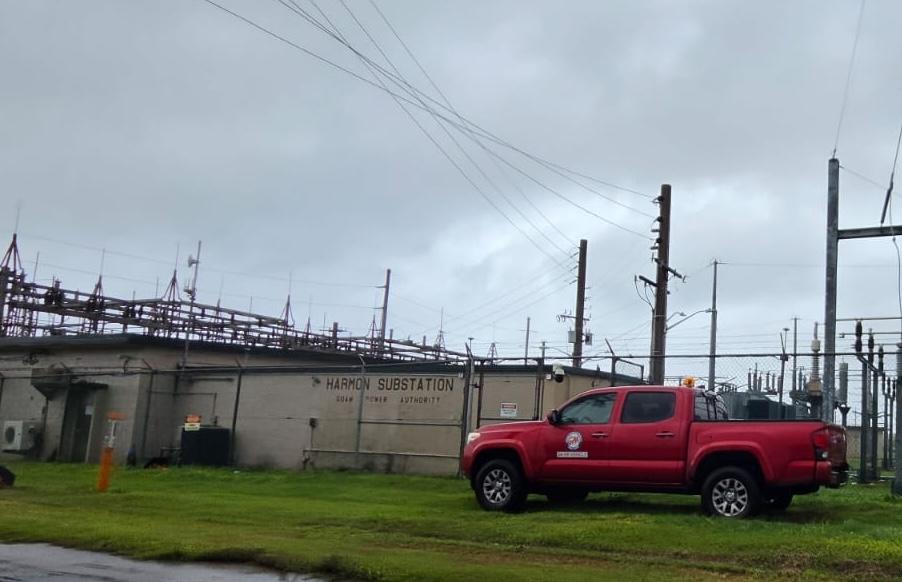
Essential infrastructure, commercial fuel stations, and private health facilities across Guam are swiftly reopening following the passage of Super Typhoon Champi, with key transportation hubs and utility providers moving into full recovery status.
Just hours after Super Typhoon Champi passed south of Guam, President Donald Trump approved Gov. Lourdes A. Leon Guerrero's request for an emergency declaration, which authorizes the Department of Homeland Security's Federal Emergency Management Agency to coordinate emergency assistance.