
















Guam is currently experiencing a construction boom. Military construction alone is expected to reach $10.5 billion through fiscal 2027. Roughly $8.6 billion of that work is already underway or anticipated by the end of this year, with another $1.9 billion in requested funds for fiscal 2027 awaiting approval from Congress. This is in addition to the housing, infrastructure, disaster mitigation and recovery work Guam needs to have done or requires after every typhoon season. The question is not whether the work will happen. It’s already happening. The question is whether the working people of Guam will experience the full benefits of their labor and development, as it does.
Currently, unemployment in Guam stands at 3.1%, according to the Guam Department of Labor, a multi-decade low. By that measure, the residents of Guam should be thriving. However, 20.2% of those living in Guam continue to struggle below the federal poverty line, which is nearly double the U. S. national average. For working people who are above that poverty line, household incomes still sit well below the national median. In other words, nearly everyone is working, but one in five is still poor, while many others struggle to raise their living standards. That is the kind of problem that can be, and historically has been, resolved through organized labor.
Trade unions like Operating Engineers Local 3, which I oversee, unite working people around a straightforward proposition: The people who do the work should benefit from their labor. For Building Trades unions like ours, achieving this goal is not left to others, but results from union members engaging in collective bargaining practices in order to meet their own needs, as they identify them. Not as others dictate. In practice, this means meeting their needs for education and training and ensuring they have steady employment in a career that provides good wages, strong benefits, safe, professional and responsible working conditions and a dignified retirement.
Construction booms come and go, and while wages may rise while the money flows, they often slide back the moment contracts dry up. In the meantime, working families are left roughly where they started. Unions like Operating Engineers Local 3 can break that cycle, as the goal is not to simply get higher wages during a surge, but to lock those gains in and establish new, lasting labor standards for the territory. Labor standards that can be built upon, going forward.
Of course, a steady paycheck requires steady work, and unions like Operating Engineers Local 3 fight to ensure public funds return to the public through meaningful employment and important infrastructure development. This means securing funding for military construction projects and Federal Emergency Management Agency-supported disaster recovery work. It also means locally appropriated infrastructure funding generates job opportunities and entrance into a skilled trade through apprenticeship training for the workforce. That is not an abstract concept, but a pragmatic reality. Recently, FEMA approved nearly $752,000 for the Guam Department of Education to repair buildings damaged by Typhoon Mawar. The agency awarded another $600,000 in order to reduce flood risks. Gov. Leon Guerrero signed emergency legislation appropriating up to $25 million for Typhoon Sinlaku response and recovery work, with an additional $13.3 million plan proposed for Typhoon Bavi. Following Typhoon Bavi, a federal emergency declaration also opened up FEMA assistance for response and recovery efforts. Every one of those funding sources is a chance to increase economic opportunities for the residents of Guam, where they can work to rebuild their own communities, while earning a family-sustaining livelihood.
In addition to working hard to secure ongoing, well-compensated employment, unions like Operating Engineers Local 3 also provide apprenticeship training to working people. This results in a valuable education in a skilled trade, the kind of credential that sustains an individual and their family, travels with them, and makes them a permanent asset to their community, rather than a temporary hire on someone else’s project. On top of this, unions provide retirement benefits for their members, ensuring that a lifetime of work ends in dignity, not in poverty. For Guam, where the elderly can face impoverishment due to a high cost of living, that is an important promise.
Critics of organized labor will say unions are a burden on local businesses, but the record says otherwise. That’s because a union depends entirely on the profitability of the employers who sign on with its Collective Bargaining Agreements. If those companies do not win work and do not turn a profit, there are no jobs for those union members, no benefits and no pension contributions. As a result, unions have a vested interest in the financial health of the businesses that operate as their signatory employers. That is why union partnerships tend to produce more stable, better organized and more responsible employers. These are companies well regarded for highly skilled and trained crews, lower turnover rates, fewer workplace accidents and a reputation that ensures they can win future contracts. Unions and the labor standards they establish are not the enemy of business. They are what separates a serious contractor that benefits Guam and its people from a fly-by-night operation that only seeks to extract wealth, rather than contribute to the island and its community.
Guam has been handed a rare opportunity with billions of dollars in essential work that will benefit its people in countless ways. Guam can let that money pass through the island only for it to be left in an impoverished status quo, or it can use that opportunity to build a skilled, organized, well-paid workforce that lasts through any boom and can further develop the island, its infrastructure and the economic opportunities available to its residents.
As the leader of the largest construction trades local in North America, I know a thing or two about what a union membership means, not just for its members, but for their communities. It’s time to have a conversation about this. Operating Engineers Local 3 has already helped improve the lives of tens of thousands of working people, which it represents in Hawaii and the Pacific Islands, California, Nevada and Utah. Help us help Guam!
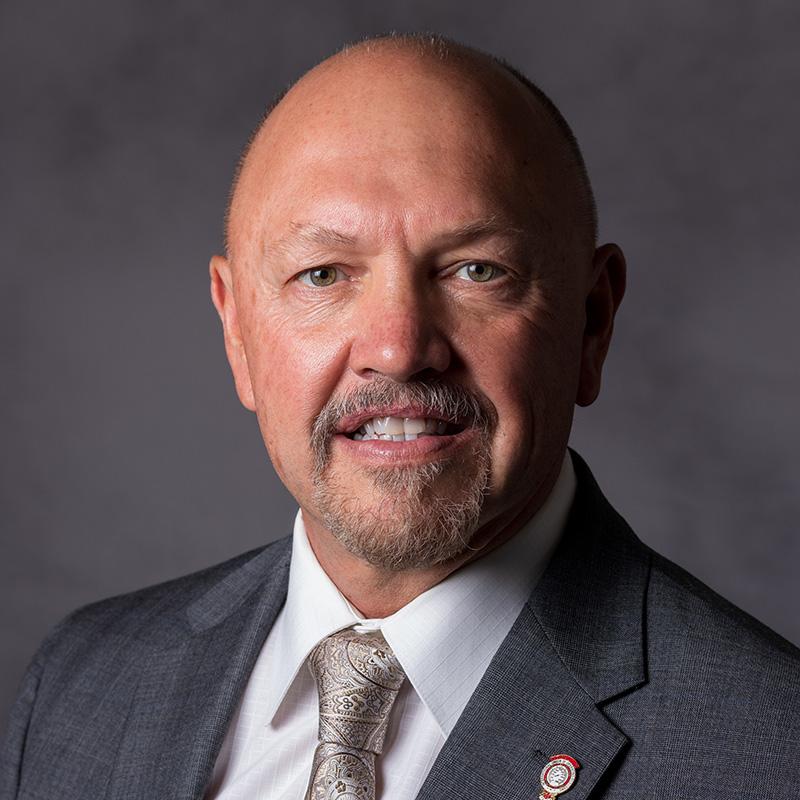
Dan Reding Business manager Operating Engineers Local 3 Concord, California Reding